Search

Jamie Davis Writes

Category

Travel

On My Radar: Lava Hot Springs Inn -Lava Hot Springs, ID

Just musing and adding this location to my wish list of future haunted hotels to investigate/visit.

Why am I so intrigued? I have an idea that a possible sequel to “America’s Most Haunted Hotels: Checking in with Uninvited Guests,” would feature locations that are either in mining towns; built around natural springs; or are former hospitals. The Lava Hot Springs Inn hits 2 out of 3 wish list categories! After everything I’ve seen, I believe that geology plays a huge part in what we refer to as “hauntings” (for lack of a better term), or at least plays a bigger role than I could understand five years ago when I first started traveling and investigating haunted locations.

The hospital theory is based on what I have experienced in connection with traveling and writing my first two books. I felt that the hospitals were more active, even, than the abandoned prisons! One of the theories that you might entertain as to cause is to consider the theory that the people in prisons had probably already given up and resigned themselves to death, while people who died in hospitals went in with the belief that they were going there to be saved. It’s obvious, but I think there is some real truth to the whole trauma/unexpected death theory causing what we refer to as a haunting. This isn’t all there is to it, but it is enough to have captured my attention over the years.

Spec sheet for Lava Hot Springs:

  • Built in the 1920s as the Lava Hot Springs Hospital. (Some original objects from the hospital, including a surgical bed are held at the South Bannock Historical Museum);
  • The curative healing springs remind me of the energy I felt in Eureka Springs, Arkansas (and the 1886 Crescent Hotel);
  • Sacred Native American springs;
  • High levels of “magic” minerals in the water. Manganese has been associated with shape shifting (could be why people see “shadow figures”). Copper is a conductor for electricity and is used in healing. Iron is used for out of body travel.

Further Reading:

http://www.lavahotspringsinn.com

http://www.idahostatejournal.com/members/ghost-adventures-will-explore-lava-hot-springs-inn/article_1a1534f8-3d8e-11e5-b569-ab595a93b2f0.html

http://lavahotsprings.com


What Did Stephen King See Inside The Stanley Hotel That Inspired Him to Write “The Shining?”

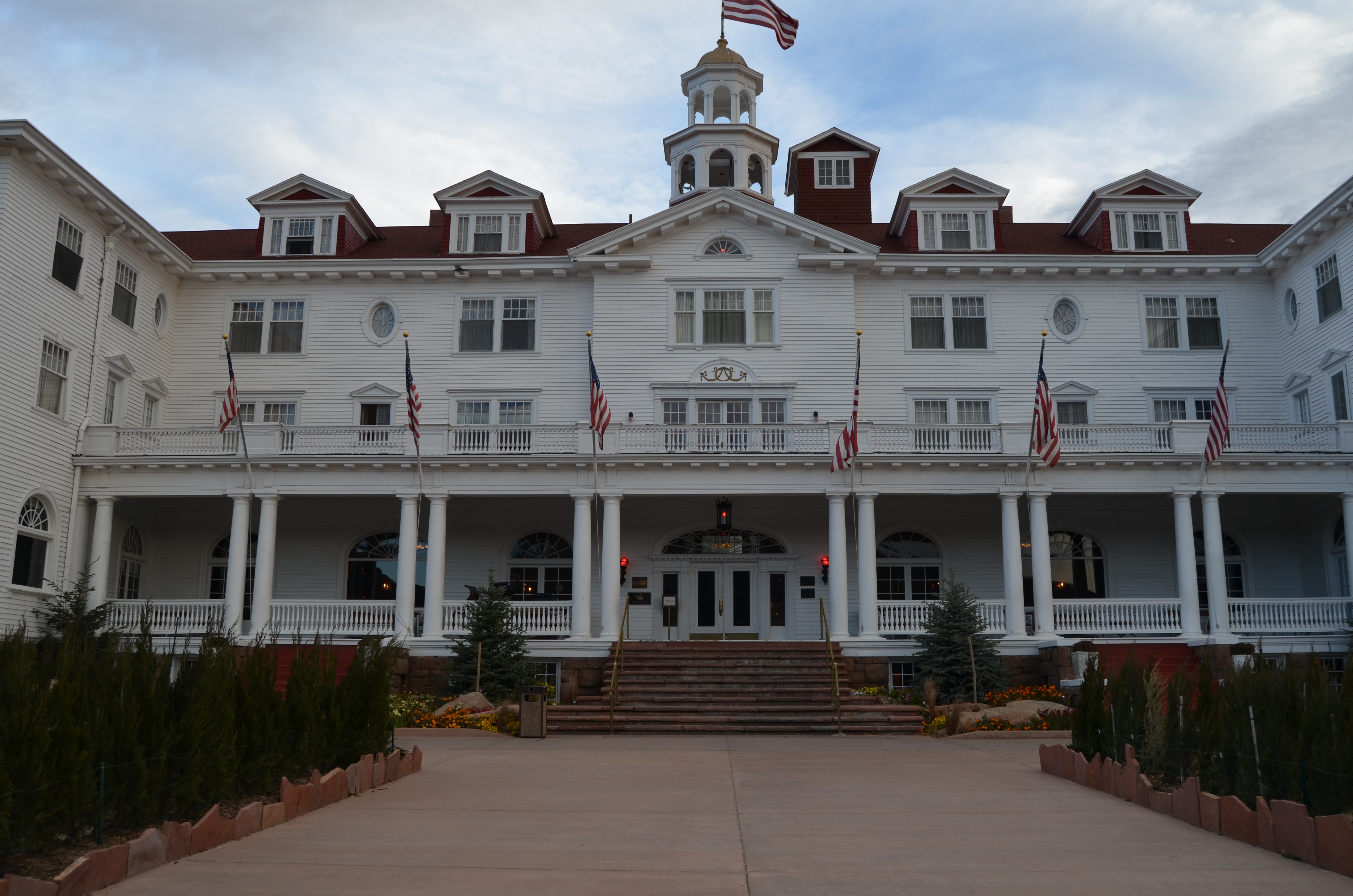
Bob and I spent Halloween weekend enjoying and investigating the famous Stanley Hotel in connection with a chapter for our upcoming book (America’s Most Haunted Hotels: Checking in with Uninvited Guests – slated for a 2016 fall release).

The Stanley Hotel - Estes Park, CO
The Stanley Hotel – Estes Park, CO

The most fascinating question that remains for me is what exactly (if anything) did Stephen King see that fateful night in 1974 that inspired him to write The Shining?

If you haven’t heard the back story, allow me to brief you a bit. King had a hit with Carrie, and had just turned in Salem’s Lot. Both stories were set in Maine, and he wanted a change of scenery, so he moved his family to Boulder, CO to work on his next novel. He had been tinkering with the idea of a boy who had psychic abilities, but the venue was tentatively set in an abandoned amusement park, and he just couldn’t work out the logistics of how the family would remain trapped there. He was stuck.

Back in 1974, The Stanley closed for the winter, and King (along with his wife, Tabitha), just happened to find their way there on the last opening night prior to the winter shut down. They were the only guests in the hotel that night, and were given what was the best room in the house – Room 217.

"Stephen King's Room" - Room 217, Stanley Hotel - Estes Park, CO
Outside “Stephen King’s Room” – Room 217, Stanley Hotel – Estes Park, CO

After their dinner, Tabitha returned to their room and King wandered the hallways of the empty hotel.

The endless hallway, where Stephen King roamed and was inspired to write "The Shining."
The endless hallway, where Stephen King roamed and was inspired to write “The Shining.”

Try as I might, I have not been able to turn up anything on whether or not King had any personal paranormal experiences while staying in the hotel that night. Nevertheless, there is no denying that whatever happened to him during his stay, he was inspired to write The Shining.

On Page 69 of George Beam’s 1992 biography, the inspiration for the story is explained as: “He imagined the fire hoses coming alive, thumping across the carpet. By then, whatever it is that makes you want to make things up, it was turned on. I was scared, but I loved it.” And on Page 215 of Rebecca Pittman’s The History & Haunting of The Stanley Hotel, King is quoted as: “It was like God had put me there to hear that and see those things.

It is a teaser comment, to me. It can make you infer whatever you want to infer, and maybe that is the point. Perhaps the story is simple, and is one that many of us can relate to. Haven’t we all stumbled upon a place that was “magic” somehow? Maybe the place just made us feel good, or maybe it inspired us to create. After all, that is what travel and new experiences unarguably do. That’s the point – to experience and be inspired. Sometimes the freedom of escaping is the only way to trip the wires.

But maybe, just maybe, King was faced with someone or something while roaming the “endless hallways” of the fourth floor of the abandoned Stanley Hotel. I don’t know.

But I think about it.

The Farnsworth House Inn in Haunted Gettysburg, PA

Bob and I stayed at the 1810 Historic Farnsworth House Inn in Gettysburg, PA over Memorial Day weekend in connection with our upcoming book with Llewellyn (“America’s Most Haunted Hotels: Checking in With Uninvited Guests”).

Historic Farnsworth House Inn

The history and hauntings will be addressed in the book, but for now, follow me into the house and downstairs into the depths of the basement.

DSC_0069

DSC_0079

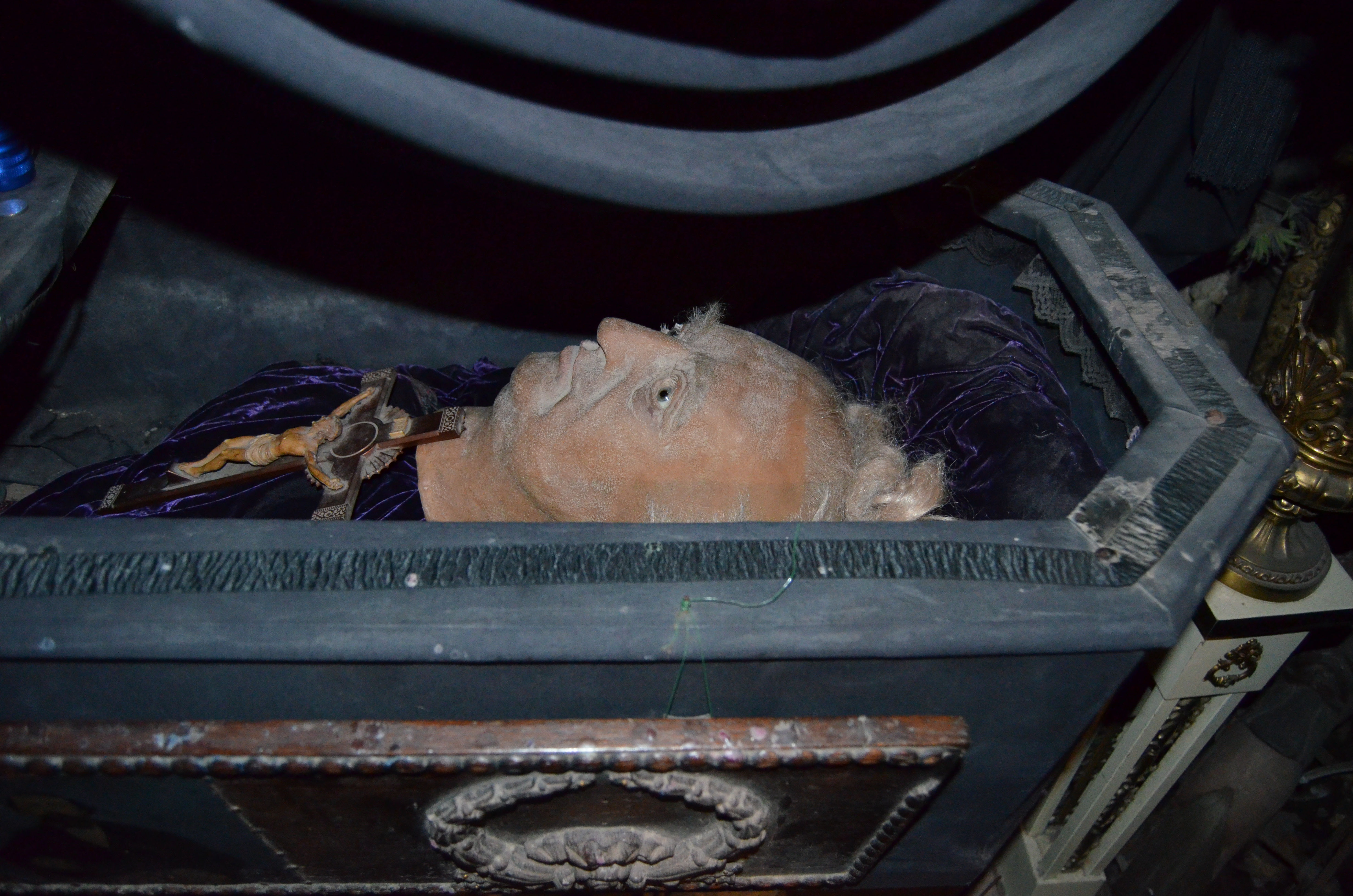
The Mourning Theatre is held down here (stories told by candlelight).

DSC_0099 DSC_0091 DSC_0092 DSC_0088

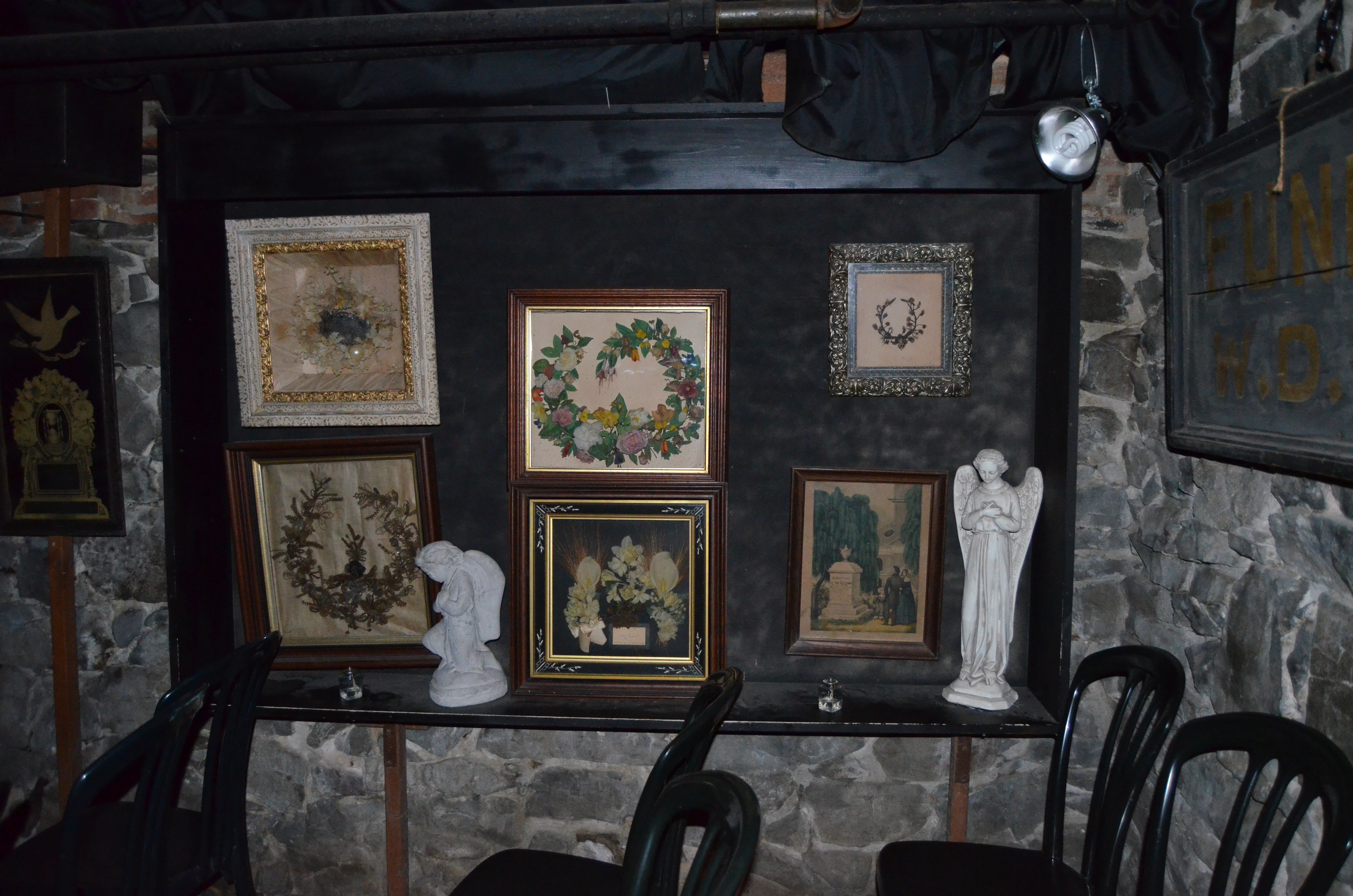
There are many original artifacts from the Victorian Mourning Period in the basement, including these hair wreaths, pictured below.

DSC_0084

Traditionally, when a relative died, a surviving family member cut off a piece of the deceased’s hair and sewed it into the family wreath and hung it on the wall like that was a totally normal piece of art. This was a way for the family to remember their loved one, and especially so if they could not afford the expense of photography. The Victorians were also fond of using the hair in jewelry. I have no idea what sort of weird residual attachments might go along with having that amount of strange, dead, human hair stored in one place that has so many deaths and tragedy connected to the sight. It is worth considering though, when you think about the reasons for the hauntings.

After all that darkness, we headed for the light of the battlefield. It was a haunting place, but peaceful just the same.

Gettysburg Battlefield
Gettysburg battlefield, near the Devil’s Den area.

As always, we log our adventures inside our “Play” Journal, by Stealth Journals. “Play,” is an indexed book journal by Stealth Journals that should be used to record all of your good times.

A Visit to the Indiana Medical History Museum

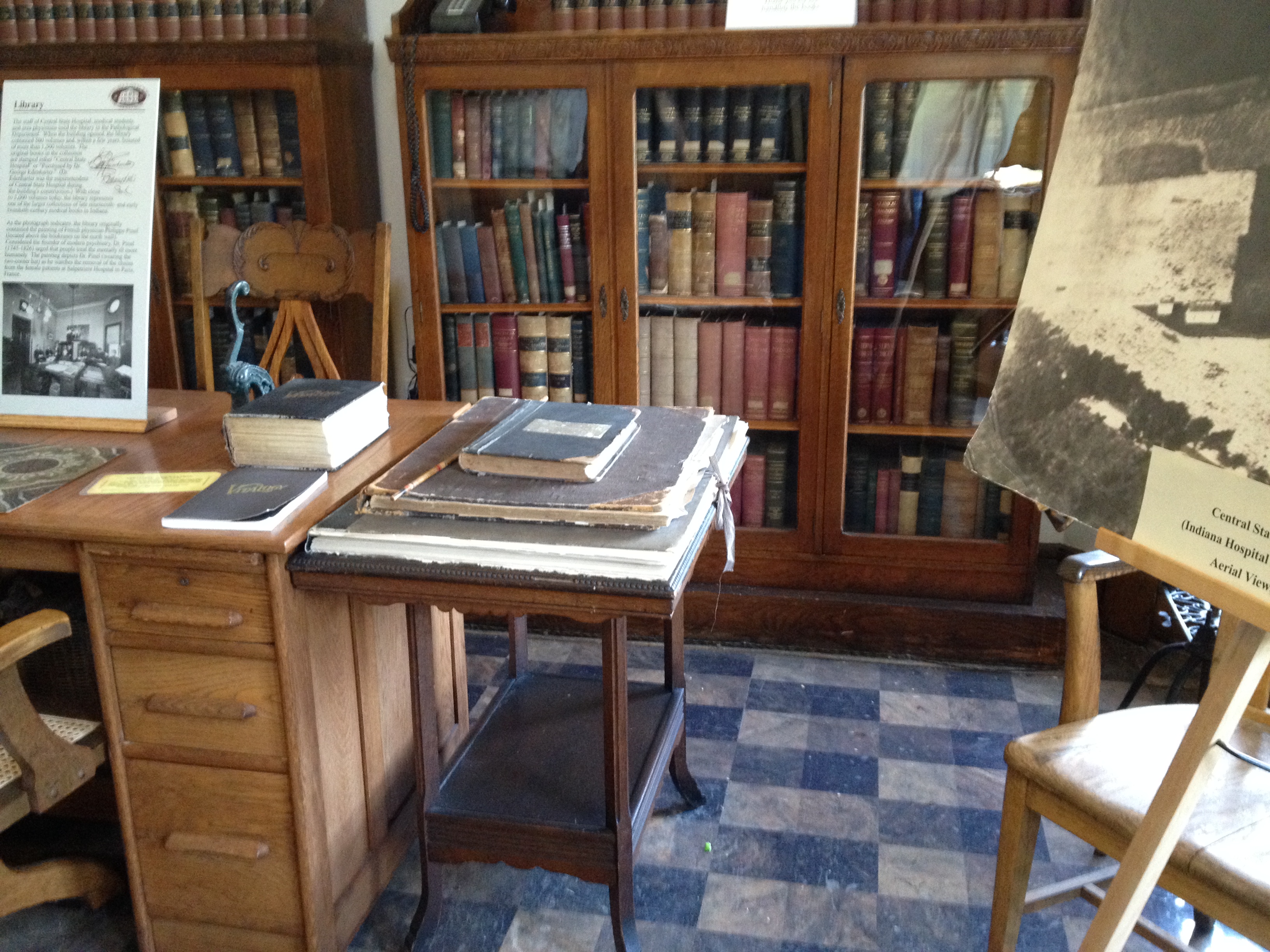
The 1896 Pathology Building is just about all that is left of the former Central State Hospital in Indianapolis a/k/a The Indiana Hospital for the Insane (Circa 1848 – 1994). The two-story building has been preserved as a museum. Admission is just $10.00, and includes a one-hour tour that is highly informative, enjoyable, and tastefully macabre (if that is a thing – I kind of just made it up, but I think that phrase sums it up perfectly).

The museum carries a warning to the public: “Young children and visitors sensitive to topics such as mental illness, death, and autopsy may find the museum disturbing. Human skeletons and preserved organs are on display at the museum.”

Step inside.

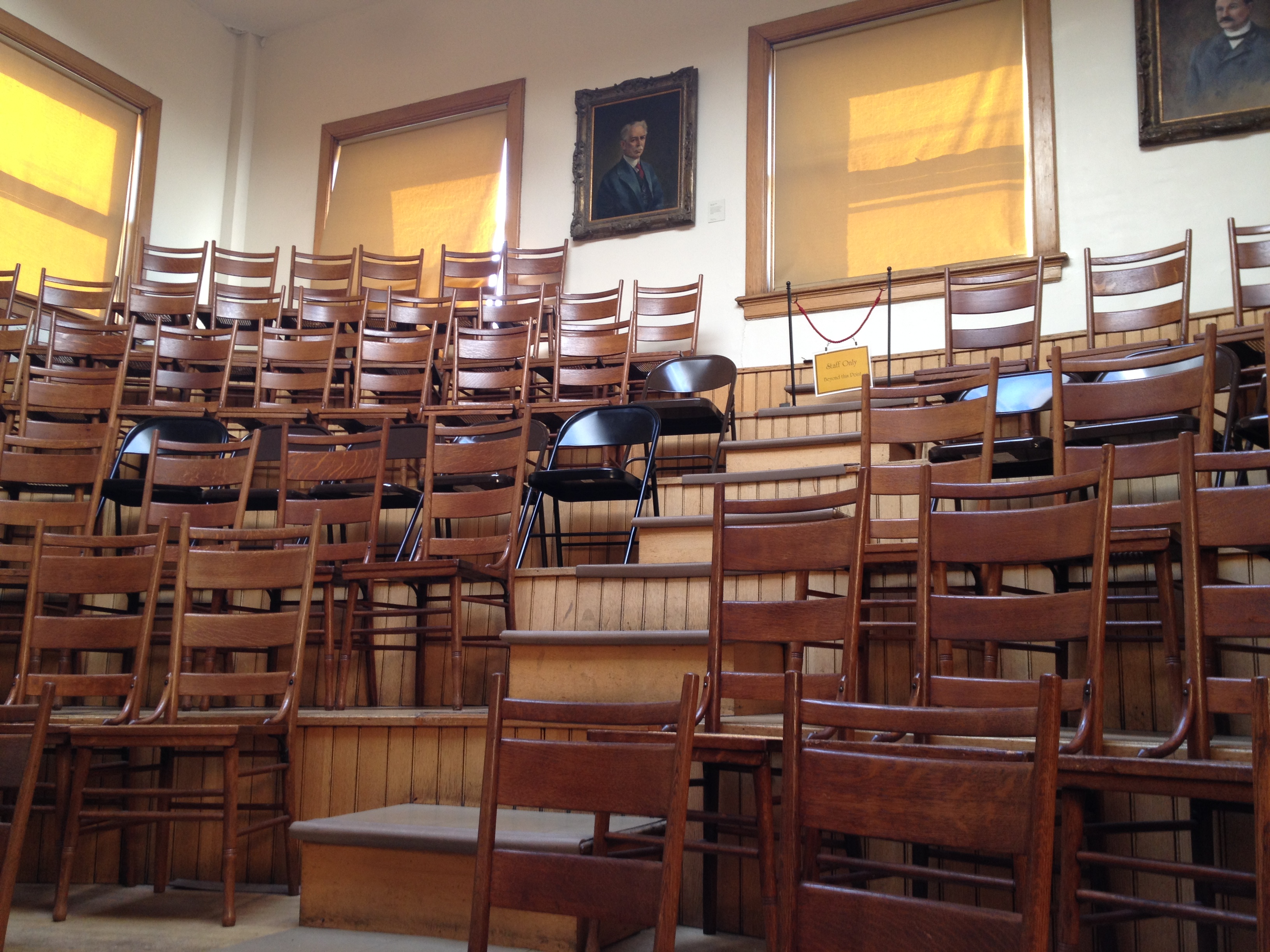
IMG_3202

Our tour begins in the teaching amphitheater. In its day, the facility was cutting edge, and doctors were diligently working to discover the causes of psych conditions and diseases (dementia / depression / schizophrenia).

IMG_3208

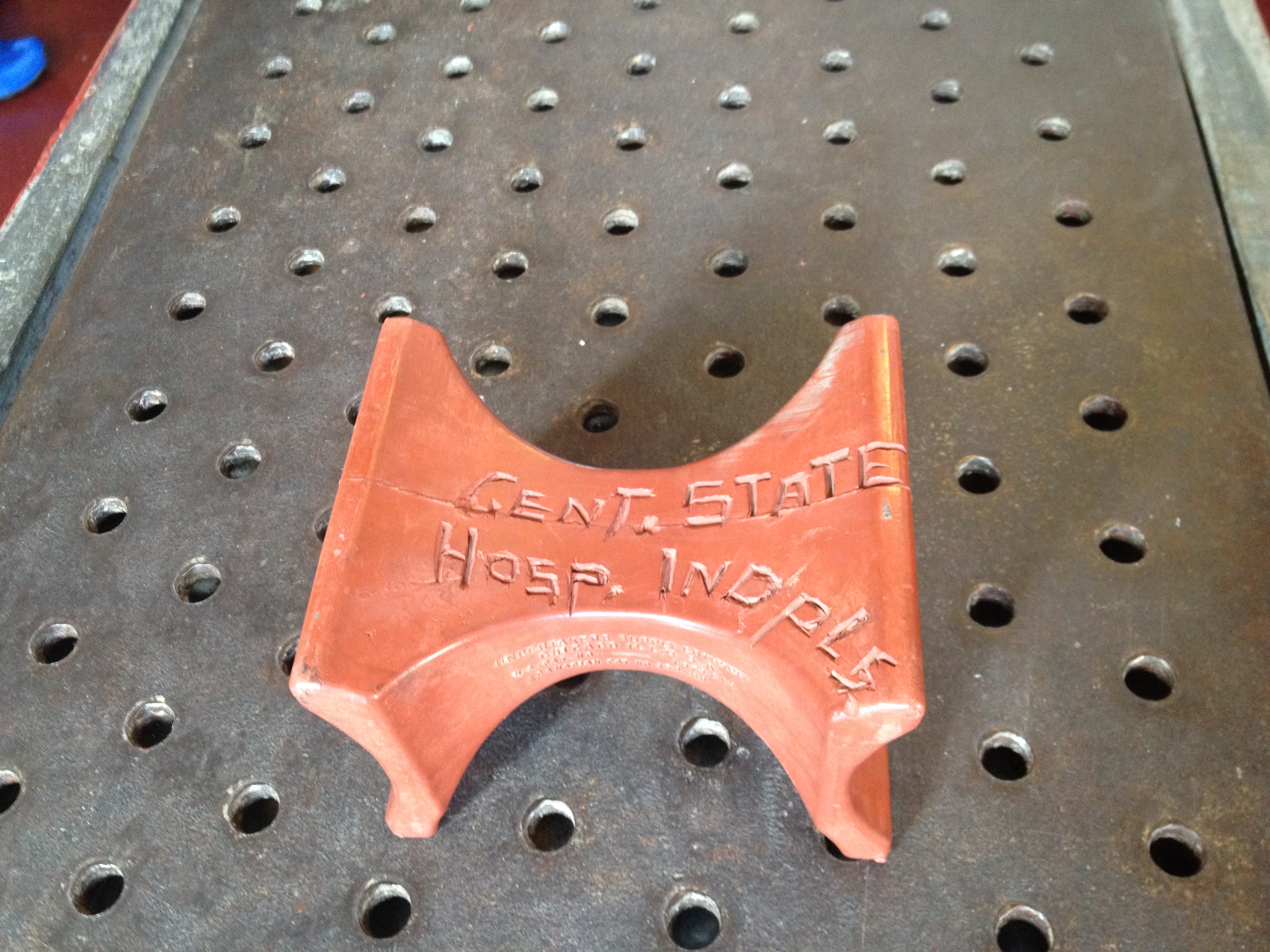
Autopsies were performed and organs were kept to be studied.

IMG_3214 IMG_3220

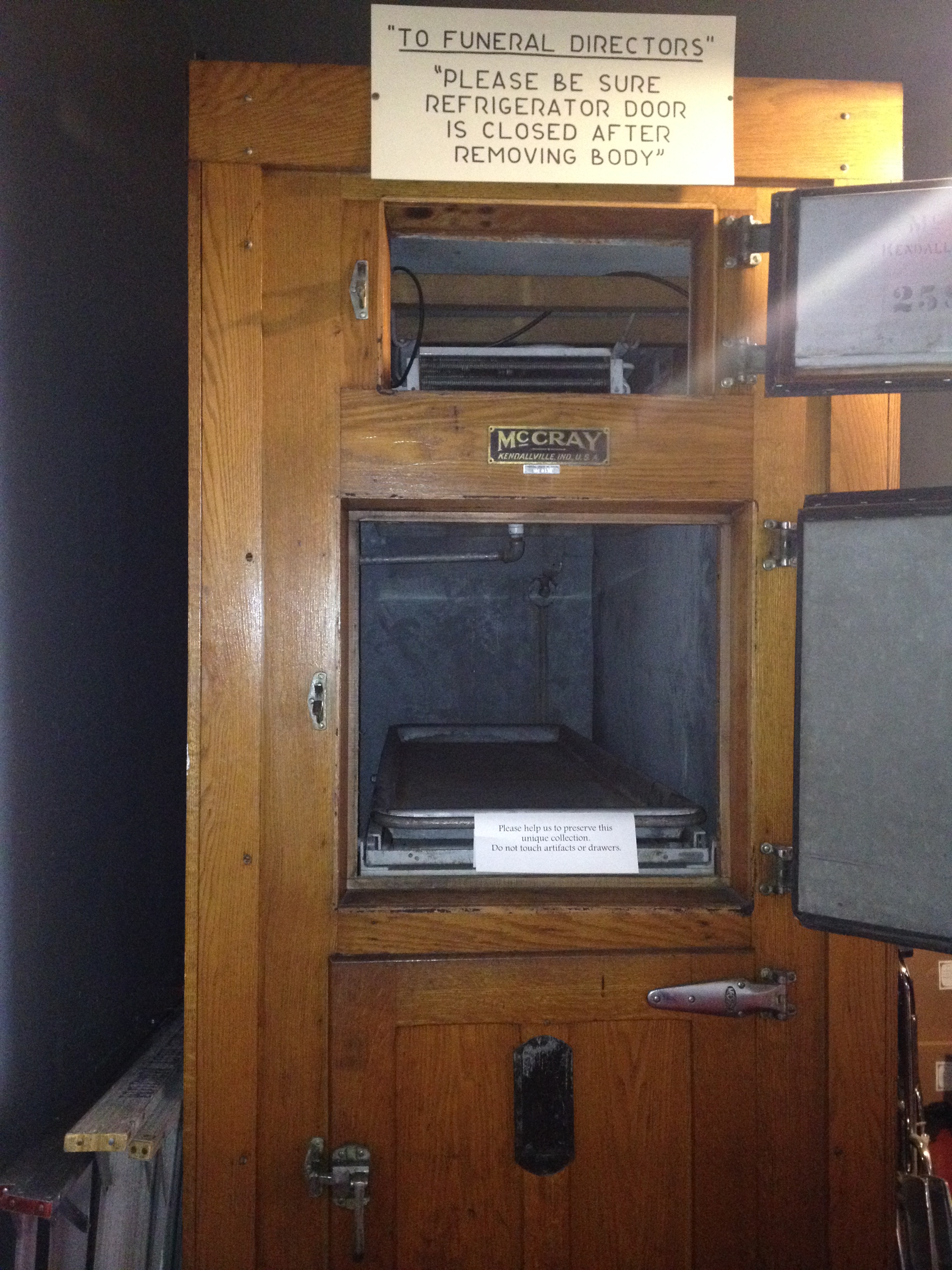
The morgue:

IMG_3209 IMG_3221 IMG_3222

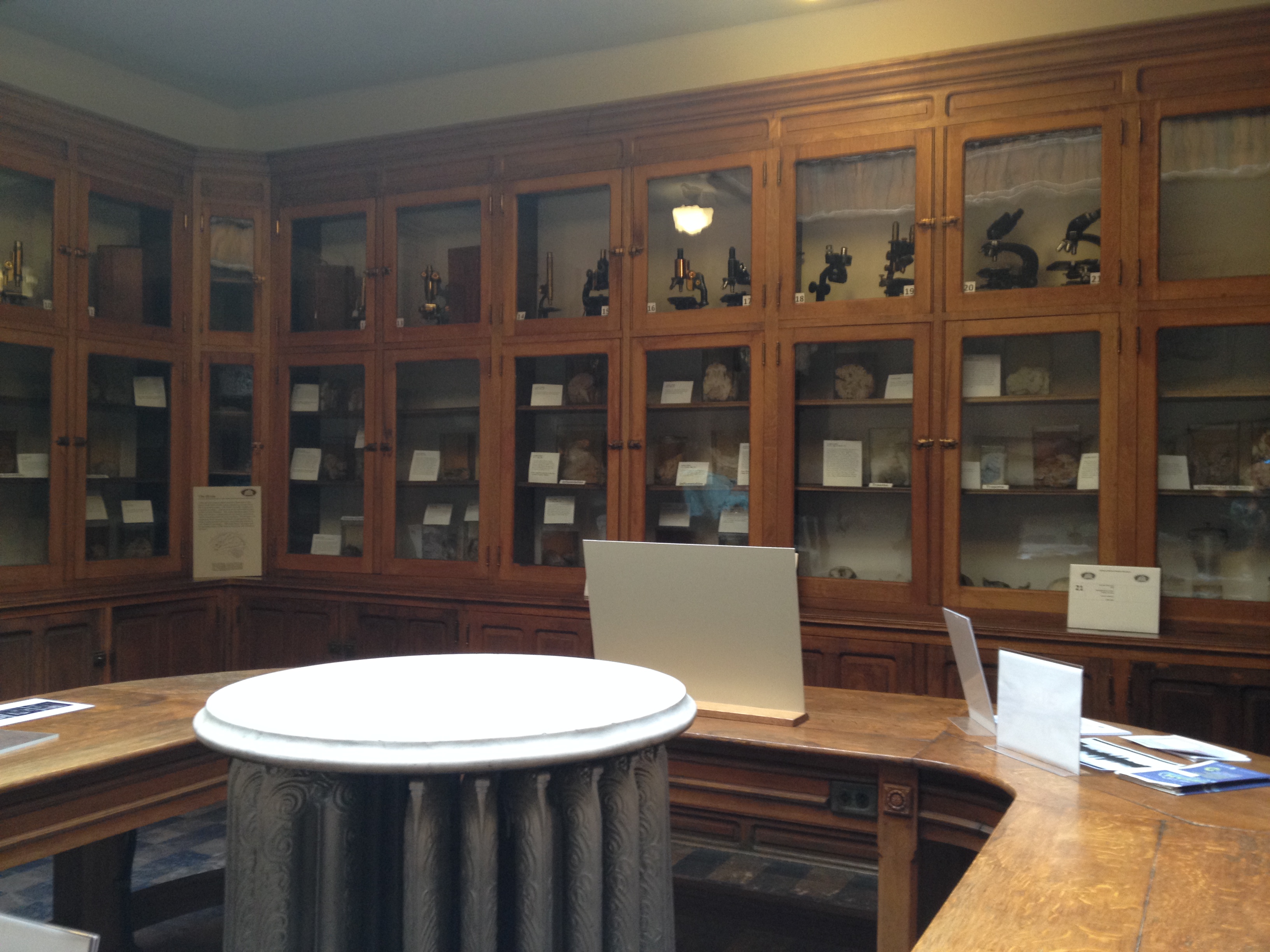
The Anatomical Museum and a lab room. There is a skylight above the marble table because it provided the best light for dissecting.

IMG_3227 IMG_3230

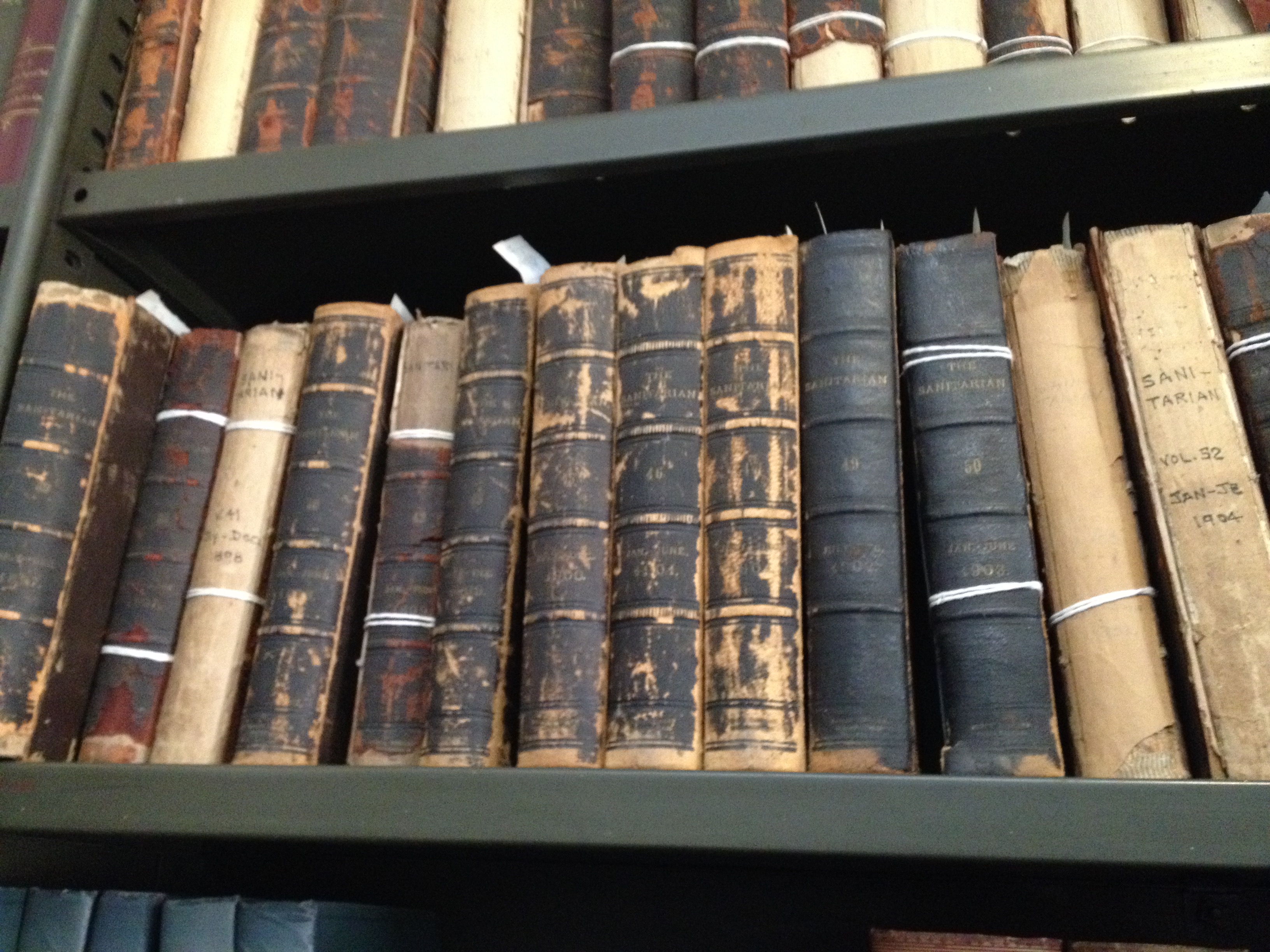
I could have spent hours in the library, but the books are fragile, and off-limits. Don’t all of those “American Journal of Insanity” volumes from the early 1800’s look fascinating?!

IMG_3241 IMG_3239 IMG_3238 IMG_3233

Lastly, the photography room:

IMG_3245 (1) IMG_3244

Even if you do not have any medical background whatsoever, you can appreciate how far we have come in just 100 years.

As always, we log our adventures inside our “Play” Journal, by Stealth Journals. “Play,” is an indexed book journal by Stealth Journals that should be used to record all of your good times.

Further reading:

http://www.imhm.org/

The Galloping Hessian of the Hollow

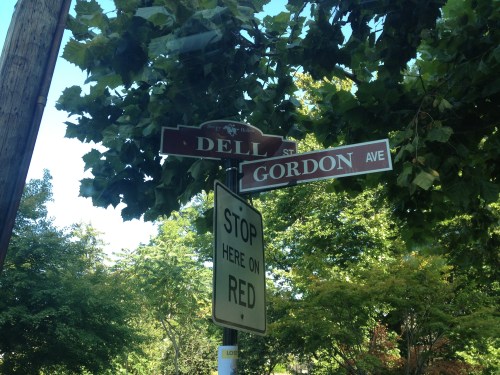
Sleepy Hollow is only about 40 minutes outside of Manhattan. Made famous by Washington Irving, it wasn’t even called Sleepy Hollow until 1996, when GM closed a plant in North Tarrytown, and citizens elected to get smart and re-brand. Dig the horseman icon at the top of the street signs. Brilliant.

IMG_3100

IMG_3102

The Cemetery is still there, of course, as well as the Old Dutch Church. As we were walking the grounds, I think I just might have stumbled upon the grave of the Hessian.

IMG_3110

I mean, who else would they want to keep locked up?!

IMG_3103

It was not hard to imagine (even in the light of day) the Hessian beginning his ride out of that grave, and trotting down the hill. All the graves are lined up, facing this path, as though they are cheering him on while he rides.

IMG_3109

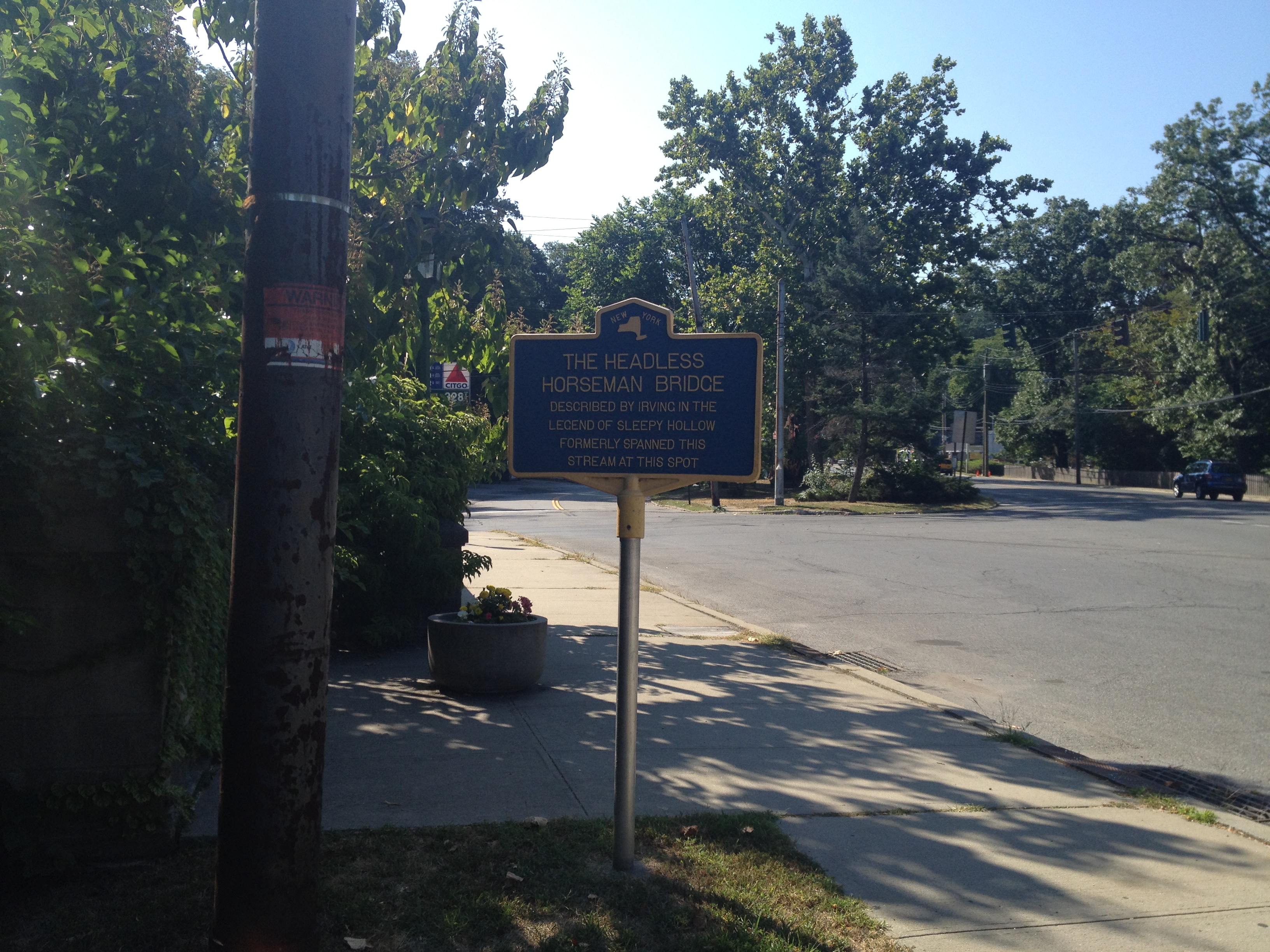
There is not much of a bridge left at all. More of a site-marker.

IMG_3107

I found a weathered and slightly yellowed copy of Washington Irving’s The Legend of Sleepy Hollow after we got home from our Labor Day trip to New York. You really owe it to yourself to sit down one of these few remaining October nights and read the story (by firelight, if at all possible). The language is just fantastic. The story has stood the test of time, and it remains today one of the very best scary stories I have ever read.

“There was a contagion in the very air that blew from that haunted region; it breathed forth an atmosphere of dreams and fancies infecting all the land.” 

As always, we log our adventures inside our “Play” Journal, by Stealth Journals. “Play,” is an indexed book journal by Stealth Journals that should be used to record all of your good times.

Headless Horseman Bridge

http://www.businessinsider.com/history-of-sleepy-hollow-new-york-2014-10

The Art Institute of Chicago – Where it is Always Halloween?

I was at the Art Institute a few weeks ago, and for some reason, all I saw was death.

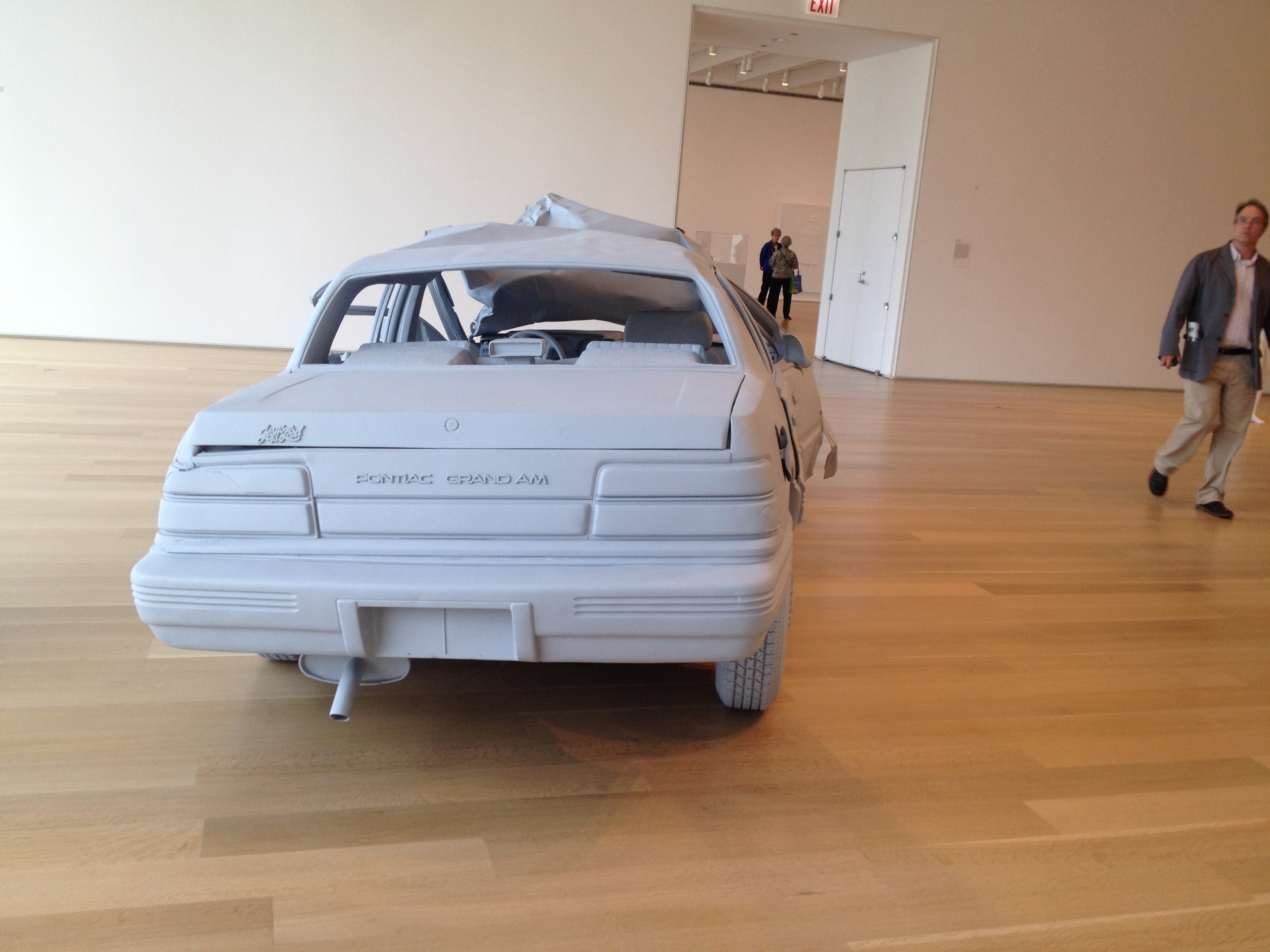
It started with Charles Ray’s “Unpainted Sculpture.”

IMG_3061

Dig the “Jesus is Lord” decal on the upper left (rear). I knew it was a death car as soon as we walked in the room. Why else would it be here? Thankfully, it wasn’t the actual car, and what we were seeing was an exact replica cast in fiberglass.

IMG_3060

We walked around the car, and even though I knew I wasn’t looking at anything “real,” I still felt really screwed up about it. It was an exhibit, and it was put here to be observed and talked about, but it feels sort of wrong to talk about. Yet here I am. I don’t know who the driver was. It would almost make me feel better somehow to know, although I don’t know why. It wouldn’t change anything. Maybe the message is that death is faceless, nameless. A force that will one day come for each of us, and all that will be left are shells of materials around us. We won’t be here anymore.

IMG_3062

That message taken at face value is macabre and ominous, and totally depressing. But, it doesn’t have to be. There’s no sense getting down about a fact that you are powerless to change. And in that letting go, is freedom. Besides, only empty soulless people even believe in death. It is a change in circumstance, to be sure. But it isn’t real, you know.

The artist could not be reached for comment, but the placard on the wall said: “After studying automobiles that had been involved in fatal collisions, Ray eventually chose a wrecked 1991 Pontiac Grand Am that he felt held the presence of its dead driver.” Is there a ghost in the machine? I don’t know, but I’m sure it happens. The scene was uncomfortable, as though I was having a glimpse of something private, something that no other human being was meant to see.

“Unpainted Sculpture” was not a permanent exhibit, but the remaining images that continue to haunt me are.

Frances Bacon’s “Figure with Meat,” 1954

No further explanation is needed. This is very similar to the first Bacon painting I saw (in Des Moines, of all places). The guy made Halloween art, plain and simple. It looks like something that should be hanging on the wall of a haunted attraction. How he ever got himself into museums, I will never know. This fact proves that many artists are famous for shocking the conscience rather than for creating anything of substance beyond the shock.

IMG_3064

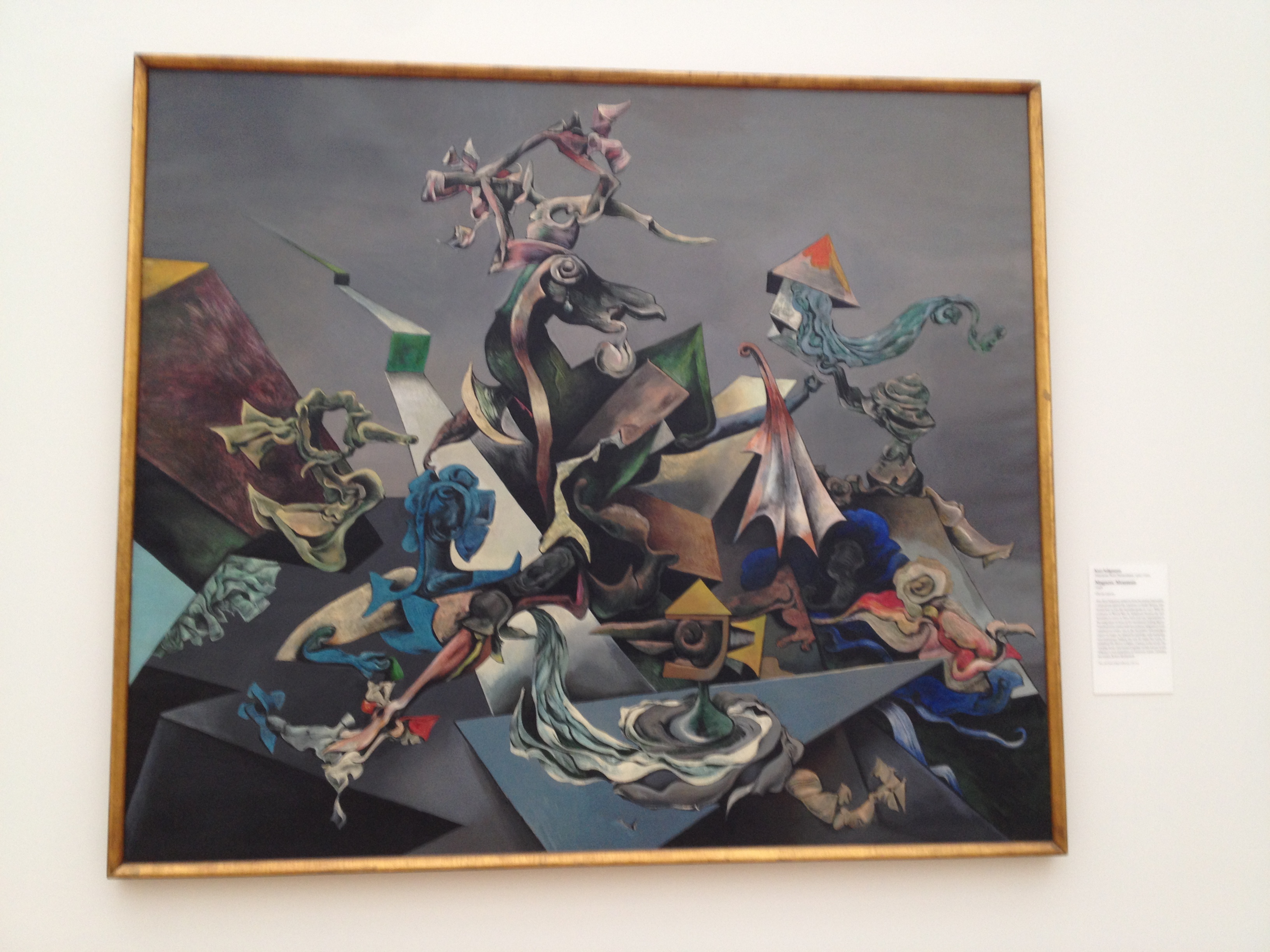
Kurt Seligmann’s “Magnetic Mountain,” – 1948

Fascinating, but totally weird. Interesting factoid – Seligmann authored a history book about the occult (The Mirror of Magic), and was readily acknowledged by the Surrealists as an expert magician. I’m going to steal a phrase from Bob. When we were out in Bisbee, Arizona, he called that town Beetlejuice on Drugs. That’s what I call this painting. I’m not saying it isn’t interesting or thought-provoking, but it creeps me the hell out.

IMG_3068

Yve Tanguy’s “The Rapidity of Sleep,” – 1945

Does it mean you have slipped away into Freddy Krueger’s Dream Land, or that you are dead, sleeping the ultimate sleep?

IMG_3075

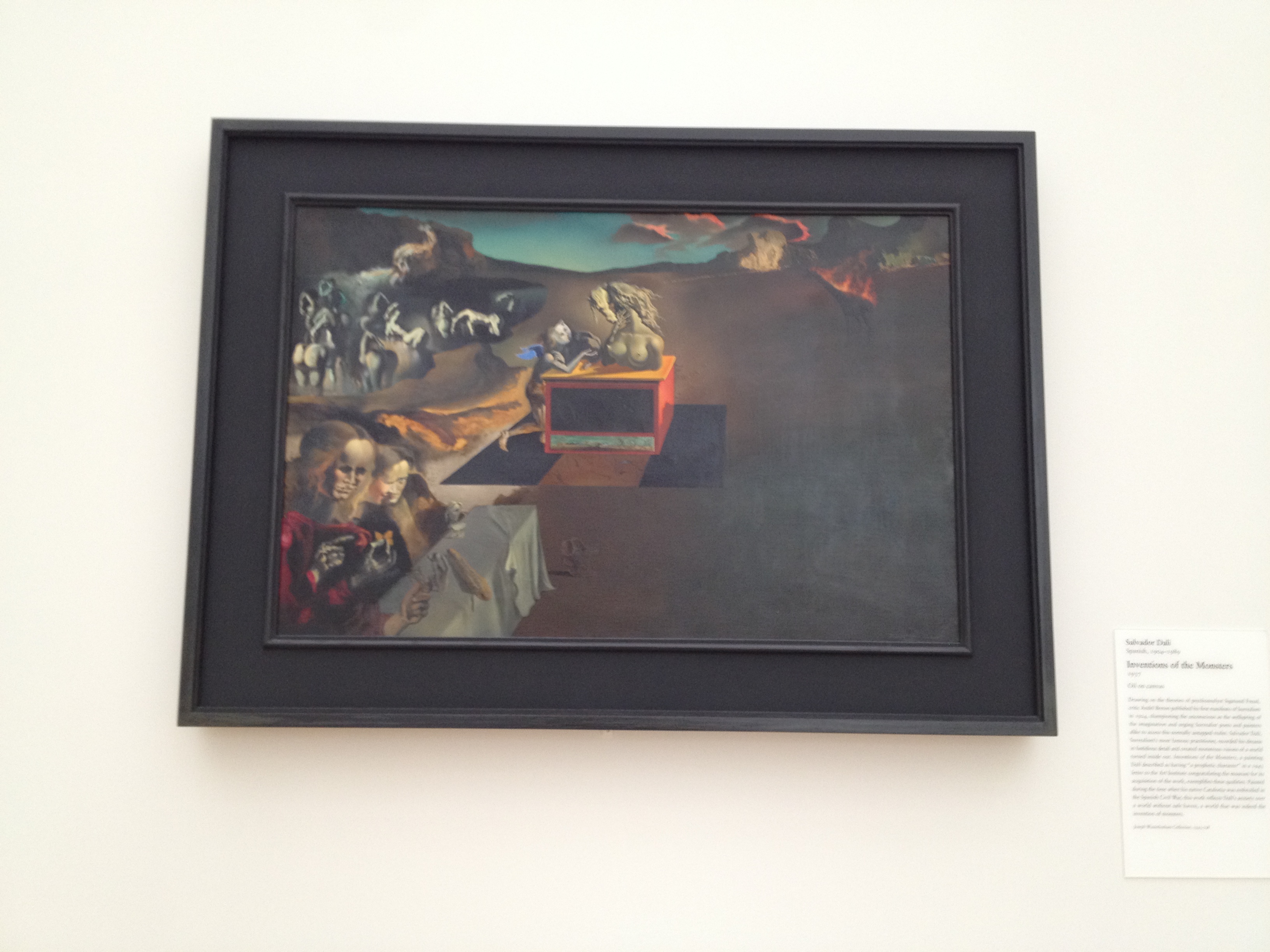
Salvador Dali’s “Inventions of the Monsters,” – 1937

You can always count on Dali to put together something that will totally rock what you think the world is. He tapped into his dreams, churled them around, and came up with his image of a world without a safe haven. What I want to know is – was he actually the great prophet of the modern age?

IMG_3076

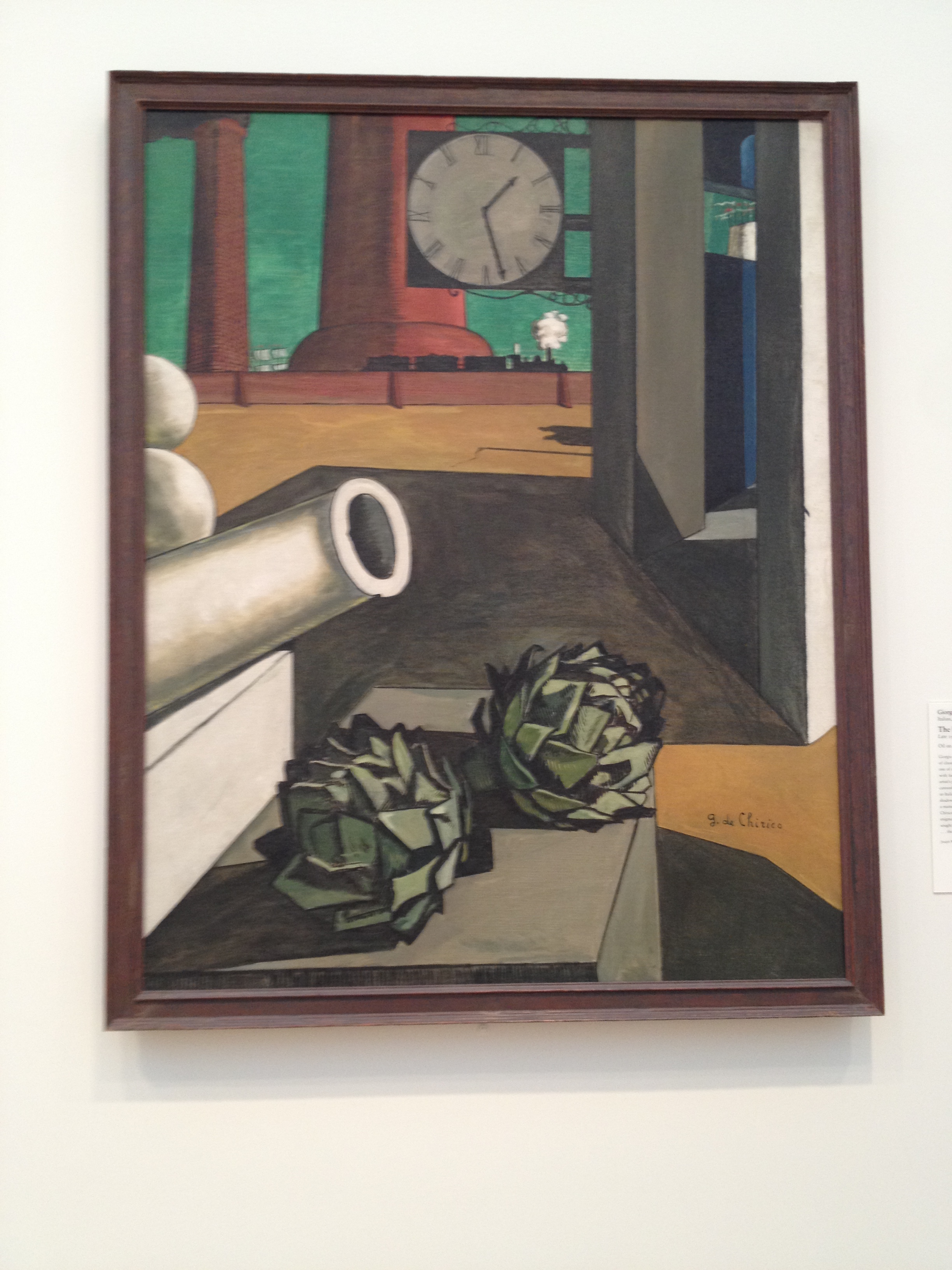
Giorgio de Chirico’s “The Philosopher’s Conquest,” – late 1913, early 1914

This one is less obviously macabre, but macabre it is in fact, still. I saw his “Gare Montparnasse” painting at the MOMA last year, and was blown away. The artichokes are nutty, but he has the clock and the train again, which we know are symbols of death.

IMG_3085

Rene Magrite’s “The Banquet,” – 1958

I love this one. Although, the more I look at it, the more convinced I become that I am standing inside the painting. The scene is a crumbling European castle full of royal vampires, and they have just arisen from their coffins because the sun is now setting. They’re coming to get you, Barbara. Wait! That line is for when the zombies are coming, not the vampires.

IMG_3087

Sweet dreams. Happy early Halloween!

Preston Castle Foundation Marks New Ownership with March 21, 2015 Deed Ceremony

Gather around, gather around. Open invitations have been issued to mark the transfer of ownership over at Preston Castle. PrestonCastleInvite-1

About thirteen years ago, the State of California leased the Preston Castle to the Preston Castle Foundation under a 55-year lease. As you might imagine, real rehabilitation strides can only be made with ownership. Now the property can go from preservation to rehabilitation. History or criminology buffs may know the building because it dates back to 1894, when it was the Preston School of Industry. The building pictured below (courtesy of Jerry Funderburgh, Vice President of the Preston Castle Foundation) was actually the administration building.

Castle-front3

The Preston School of Industry was part of the rehabilitation movement to teach juvenile boys useful skills instead of resorting to incarceration alone, and it was in operation through 1960. The building is listed on the National Register of Historic Places. Paranormal buffs know the building from local legends and many television shows that have covered the unsolved murder of Anna Corbin, among other mysterious occurrences. I have always said that it would be on my list of locations if I ever get around to writing a sequel to Haunted Asylums, Prisons, and Sanatoriums.

Castle Spirits is the in-house group that coordinates the many paranormal events that the Preston Castle Foundation schedules. In fact, they are hosting their very first paranormal conference the last weekend of May. Besides encouraging the paranormal events, the Foundation offers a wealth of programs for the entire community. They have wine tastings & tours, photographer’s day, flashlight tours, movie nights, and even a golf event planned soon! Such good news out of Ione, California.

To keep up with events over at The Castle, visit their site or “Like” them on Facebook:

http://prestoncastle.com/

https://www.facebook.com/pages/Preston-Castle-FoundationIone-Ca/169888893061409?sk=wall

Nopeming Sanatorium – the “Waverly Hills Sanatorium” of Duluth, Minnesota?

AMENDMENT – posted 11/10/16 – http://www.nopeming.com. They are open for tours!!!

I recently caught the Ghost Adventures episode on Nopeming Sanatorium in Duluth, Minnesota. I don’t watch a lot of television, and I especially don’t watch a lot when I’m working on a new book project, but I am glad I caught this episode. I thought the whole tone of the show was respectful, informative, and tastefully done. The history of Nopeming Sanatorium is very similar to that of Waverly Hills Sanatorium in Louisville, Kentucky. Like Waverly Hills, Nopeming was built in the early 1900’s to serve as a tuberculosis hospital. It was then operated as a nursing home until it finally closed in 2002.

The owners were interviewed in an article for the Twin Cities Pioneer Press (linked below) prior to the episode airing. The building is not open to the public, and that was made very clear in the episode and in the article. Orison Inc. is a non-profit that assumed ownership in 2009. The reported goal was to turn the property into a charter school for special needs children. Funds are low, so the owners have listed the property as available for filming with the Minnesota Film Board’s website and they accepted the offer (it was not listed what their site fee was) from the Travel Channel for Ghost Adventures to film and investigate. My favorite quote from the article comes from Tanya Graysmark, who is on Orison’s Board of Directors: “I don’t think any of us believes it’s haunted, but Orison will gladly accept money from people who would have Americans believe otherwise.” I think that’s exactly the way to be.

People have strong opinions about the paranormal. It really is a subject sort of along the lines of religion, politics, and sex. I recently met a terribly rude lawyer who berated me and insulted my intelligence for writing “one of those ghost books.” He sneered at me and asked: “How can you write about that? I don’t believe in that.” I smiled sweetly and asked him how many books he’s been paid to author. His eyes opened wide, just like his mouth, but he couldn’t make a number come out. To me, the point is not really to prove anything. I am already secure in my personal beliefs and experiences, and my life’s purpose is not centered around trying to convince anyone who is essentially walking around empty and soulless. That’s your personal belief that you are going to have to deal with later, and I really just don’t care. I’m not your minister, your psychic, your healer, or your God. I’m just a fellow traveler, and I really hope if I ever met you that I didn’t try to make you feel like less of a person. I’m getting on a bit of a tirade here, I need to reign this in.

A controversial topic has always been if paranormal investigators are exploiting the history of a location. What Orison is doing is trying to save a building and they are exploring multiple income streams to make that happen. That’s admirable. That’s how businesses survive. If something isn’t working, you try something else. Community thinks you’re crazy for letting the paranormal people come to town? Is the community paying your utility bills?

The National Register of Historic Places contains a few locations that I can think of that have managed to offer full menus of programs to please every type of visitor imaginable. Eastern State Penitentiary, Weston State Hospital (Trans-Allegheny Lunatic Asylum), Alcatraz, Utica State Hospital, and the Buffalo State Asylum for the Insane can all be studied in a lesson on how to transform an abandoned building into something worthwhile. The Trans-Allegheny Lunatic Asylum is the one I am most familiar with, so I will talk about them. They have created a museum in the lobby area that relates to historic psychiatric treatment, along with an art exhibit from former patients. They run daily history tours throughout the Civil War wing, and the entire building. They host photography tours, serve as a filming location, and have events throughout the year – concerts, movies, festivals, just about anything you would expect from a cultural center of the town. Of course, they run ghost tours and ghost hunting events at night. The purpose is to become a center of culture and also make a profit while you do that. Those paranormal people will pay anywhere from $1,000 – $1,500 a night to shut a place down. That can sure help make a dent in those utility bills and property taxes.

Dan Turner, the historian who was featured on the episode, shared this historic postcard of the campus:

Nopeming PC

Like Waverly, Nopeming featured a bat-wing design to optimize light and air for the TB patients.

A modern exterior shot was also provided by Dan Turner:

Chateau roof

The Ghost Adventures Crew was said to be the first organized paranormal team allowed access to the buildings for an investigation. When I heard that, I instantly had high expectations for the show because I know from my own little ghost adventures that these types of places can feel quite intense. Within just a few minutes of the show, when they were still doing their initial walk through, they captured an amazing shadow person in the tunnels! There will always be people who are critical of “evidence” and I am too. I can tell you that the image they showed from this tunnel is what I saw with my own eyes while I was exploring death row in Missouri State Pen in connection with Haunted Asylums, Prisons, and Sanatoriums. Either I saw a legitimate shadow person or my eyes were playing tricks on me. I don’t know which one it was, but I can tell you that it felt legit to me while it was happening. Right or wrong, scientific or not, I am a person who has learned to trust my feelings. If I get a bad feeling about a place or a person, I bail. (This is a priceless life lesson, by the way. It’s okay to walk out – of old buildings, bad relationships, situations that just don’t fit your life anymore, etc. You don’t endure bad things and get a prize at the end. The prize comes when you leave and build something new).

After watching the show, I reached out to Dan Turner to get a comment about his opinion on paranormal investigators and how they can co-exist with the history of the buildings. Here is what he had to say:

“I may be biased because I appear on the episode as a historian, but I thought it was well done. I was impressed that roughly half of the episode was dedicated to explaining the history, interviewing former workers and the caretaker, and spending time speaking with a local Elder. It’s sadly rare to see Native Americans asked their opinion on anything on television, and to give the Elder the opportunity to explain his belief system boosted my overall opinion of the paranormal genre. The episode demonstrated that such shows can be more than ‘ruin porn’ spliced with orbs and commentary. I agree totally that paranormal groups can be excellent fundraisers, but convincing property owners that do not believe in ghosts often seem hesitant to start conversations. My hope is that Nopeming become a sort of northern Waverly Hills, and that historical and paranormal tours can coincide. The best way to teach history is to connect the past to the tangible; there is nothing quite like visiting a place and becoming fascinated with a space to pique one’s curiosity. Some would say that buildings like this do not have any connection to our modern world, but just look at the anti-vaccination movement! I’d like to show them some of the abandoned hospitals built around the country, where countless people died from diseases that we can protect ourselves against now. I want to point at Nopeming and say, “Do you want to live in a world where you get a bug and die painfully in a place like this, away from your friends and family?” Thank god I don’t need to worry about contracting TB or polio or smallpox or measles or diphtheria…”

Well said, Dan Turner. Thank you for your comment and for sharing your photos.

Property owners would do well to keep their personal beliefs out of fiscal decisions. Opening your building for paranormal investigators is the same thing as opening for photographers. Who cares? As long as you open with the caveat that you are allowing people in at their request and not because you are claiming the place is haunted, I see no harm in it. Everyone has a different motive for the form of leisure they select on any given day. We are living in a world where maybe we just want to leave our cookie-cutter houses and go see something new. Maybe we just want to go somewhere where somebody isn’t trying to sell us a McDonald’s hamburger and a t-shirt that falls apart after two washes. Urban exploration tours have been popping up all over the place – Detroit, Buffalo, even Chernobyl. There are a lot of people out there who will pay top dollar to experience something new. Make no bones about it, there is a market for paranormal and urban tourism. We have all seen Disney World. We weren’t impressed. Who is going to step up and compete to win our dollars?

Dan has an awesome website for further reading over at Substreet, that is linked below. His writings and photos concerning Nopeming are compelling, but the entire site is full of the same quality.

Further Reading:

http://www.nopeming.com

Nopeming
Sanatorium
Duluth, MN

http://www.twincities.com/localnews/ci_27370228/spooky-abandoned-duluth-nursing-home-gets-national-ghost

Crescent Hotel and Eureka Springs, AK – Blog for Llewellyn Post

I am longing for a second visit to the 1886 Crescent Hotel this spring for our upcoming book with Llewellyn “America’s Most Haunted Hotels: Checking in With Uninvited Guests.” Bob is out flying tonight, and I was remembering the article I wrote for Llewellyn that is linked below, and just remembering that visit so vividly.

http://www.llewellyn.com/blog/2013/10/the-1866-crescent-hotel-and-spa/

Nobody seemed to know about all of the back patios:
DSCN2977
DSCN3007

DSCN2999

DSCN2997

DSCN2996

DSCN2979

DSCN3010

IMG_0846

IMG_0849

IMG_0851

IMG_0861

As always, our travels are indexed within “Play,” by Stealth Journals. A sample entry page can be seen below:

Stealth Journals
Eureka Springs: Indexed within our Play Journal, by Stealth Journals

Create a free website or blog at WordPress.com.

Up ↑