Search

Jamie Davis Writes

Tag

work

How Important is Your Work?

In Daily Rituals, How Artists Work, Mason Currey shares his research about how some of history’s most creative people structured their daily routines to maximize their creativity and how they thought about their work product. 

Some of my favorite quotes I collected for my reading journal:

  • “Work is still the best way of escaping from life.” – Gustave Flaubert
  • “I have been working all the time and it’s like a flood going through the landscape of your soul. It’s good because it takes away a lot. It’s cleansing. If I hadn’t been at work all the time, I would have been a lunatic.” – Ingmar Bergman
  • “The great men turn out to be all alike. They never stop working. They never lose a minute” – V.S. Pritchett
  • “You know that all I desire and demand of life is to feel an urge to work!” – Gustav Mahler
  • On creating habits: “The repetition itself becomes the important thing; it’s a form of mesmerism. I mesmerize myself to reach a deeper state of mind.” – Haruki Murakami

I recently finished reading Daymond John’s Rise and Grind, and I love the chapter about Tyler, The Creator. Tyler is “old school.” He writes stuff down! “Tyler keeps his notes in a book, which he carries with him at all times – and it’s like a lifeline, to hear him tell it.”  

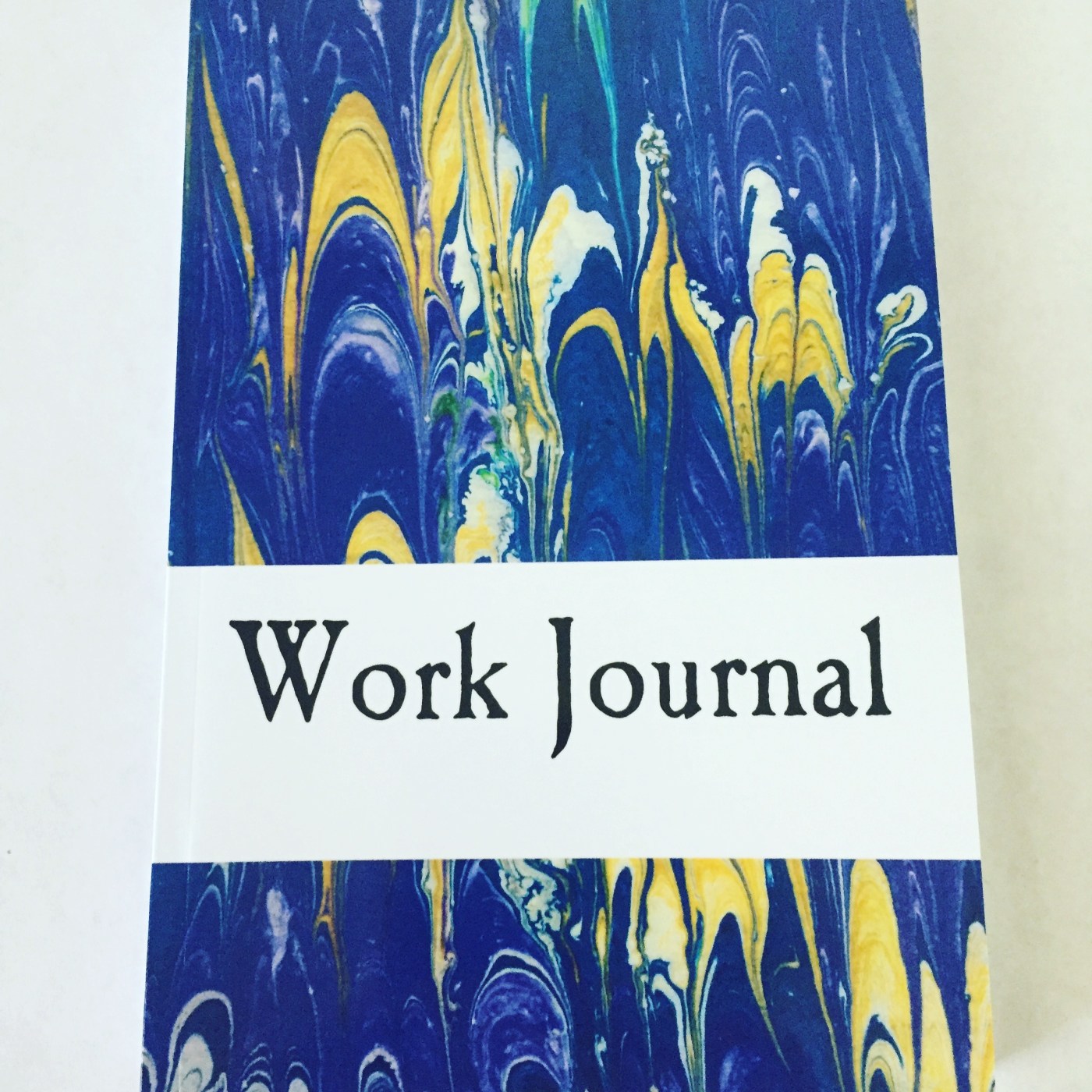
How do you keep track of your scheduled tasks and accomplishments? Let me show you how to achieve more in less time! The Work Journal is designed with prompts that are broken out into three primary topic sections of your daily life that include: Top 3 Work Tasks Today, Top 3 Personal Tasks Today, and Waiting On.

The content is based on the idea that you are most effective at work if you apply a basic productivity principle of focusing first thing on three medium-to-large sized work projects per day. Your priority items for tomorrow are best determined at the end of your current working day. To the high achievers of the world: “Don’t worry!” There is plenty of room left in the notes section if you have extra time to log more projects after you have completed your top three tasks. 

Act now, and get the one personal organizational tool you need to meet both personal and work goals!
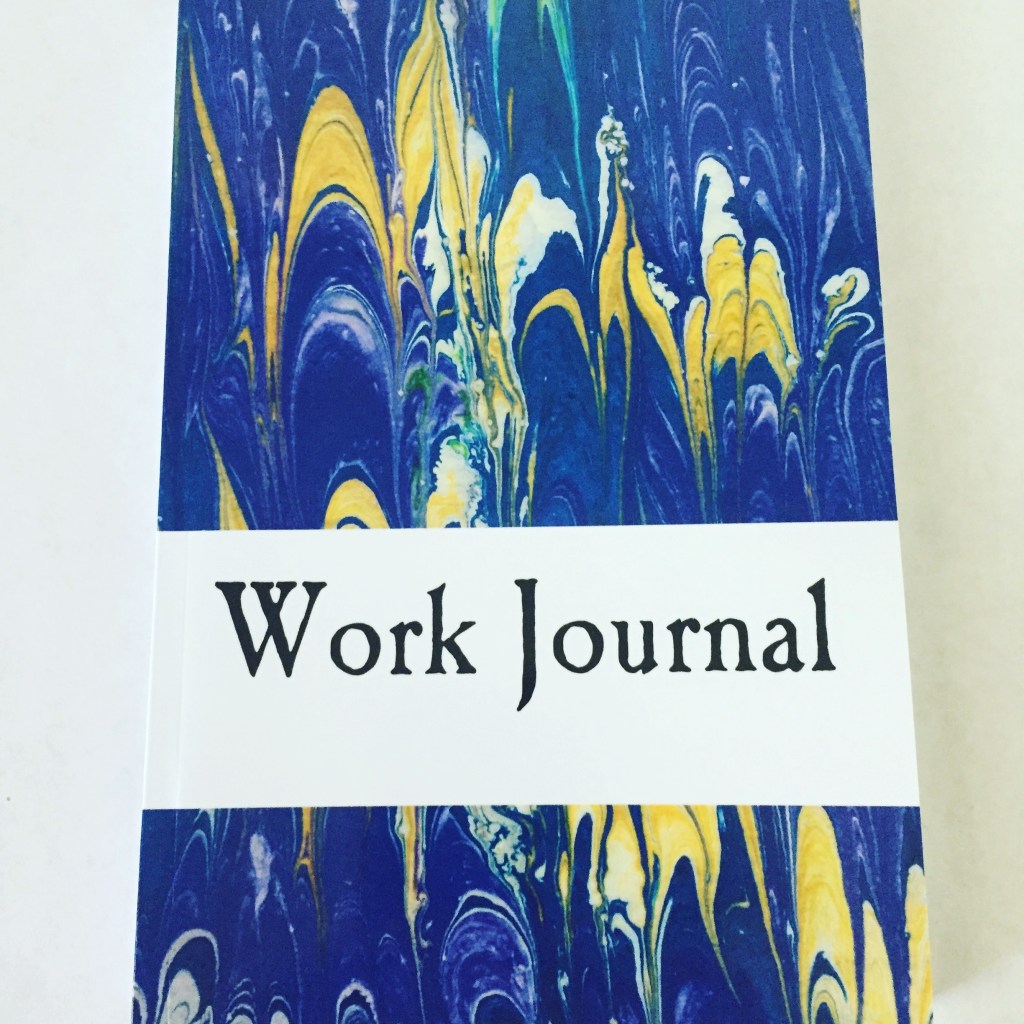
Interior View:

work-journal-interior

The last few pages of the Work Journal have been pre-indexed for you. This is where you can track your biggest accomplishments every month; keep up with goals and challenges; and log your continuing education; networking; and new contacts made for the year.

Multitasking is a Myth

I saw a job ad a few weeks ago that got my blood boiling so hot that I almost emailed the guy and told him just how big of an idiot he is. He wanted someone who could multitask, withstand several interruptions throughout the day, and constantly shift to ever-changing priorities. The guy was a lawyer (of course).

I wanted to just ask him why he even thought he needed an employee in the first place. Obviously, the employee was going to be completely inefficient and unproductive. Maybe the guy should just get a giant stuffed animal to sit in the desk so he can yell at it and throw chairs around without getting sued for creating a hostile work environment.

I cannot stand these employers who think they are getting tasks done by throwing a bunch of nonsense in the laps of their employees to “deal with,” and then changing their minds after two hours have passed in order to shift focus to the next meaningless urgent project.

I am right, too, I might add. Just yesterday there was an article in Health Magazine entitled “Give Your Brain a Break.” Cara Birnbaum reported a 2010 Harvard University Study which showed that those who single-task and focus on the moment are happier and more productive than those who believe they are multitasking.

Multitasking is what idiots do. They sit in their offices and they answer the telephone and try to read emails and put reports together at the same time. What is the result? No memory of the points of the telephone conversation, an important email that comes back to bite them later because they failed to comprehend it the first time around, and broken sentences and missing words in the report. Why? Because the language centers in your brain can only process one language-based task at a time. A multitasking example that is possible would be talking on the phone while you eat your lunch. Forget the rudeness factor, we are just outlining possibilities here.

Multitasking is complete lunacy. Sure, these people may appear busy. But they are doing nothing except putting on a show. They are not multitasking, they are serial tasking like a bunch of animals at the zoo. Squirrel!

When I go to a new place of business I like to find the person who is sitting quietly working. This is the brains of the operation. The planner, the one with focus, this is the person who knows what is going on. Probably, they use a work journal like the one that can be purchased from Stealth Journals. I like to stay far away from the monkey house.

Further reading:

http://www.psychologytoday.com/blog/the-power-prime/201103/technology-myth-multitasking

http://www.thenewatlantis.com/publications/the-myth-of-multitasking

Create a free website or blog at WordPress.com.

Up ↑