Notes from a Play Journal.
Wings in the Wyoming Wind: Visiting the Museum of Flight and Aerial Firefighting in Greybull
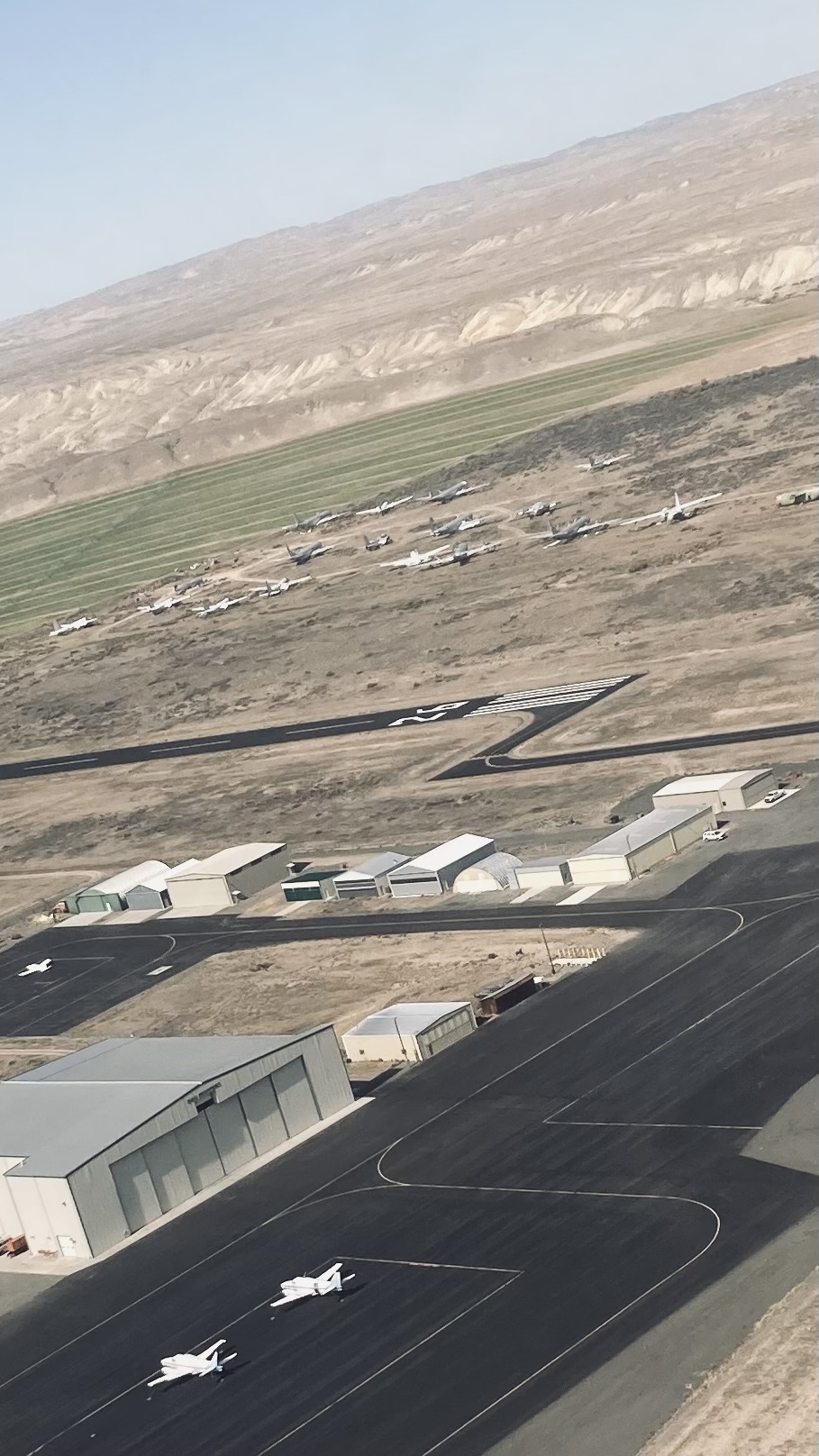
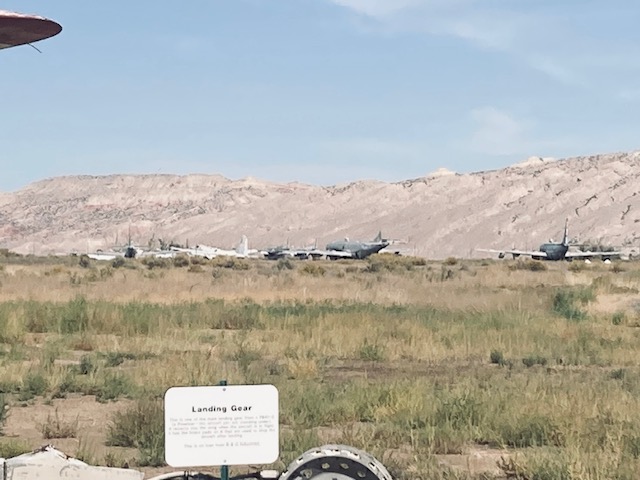
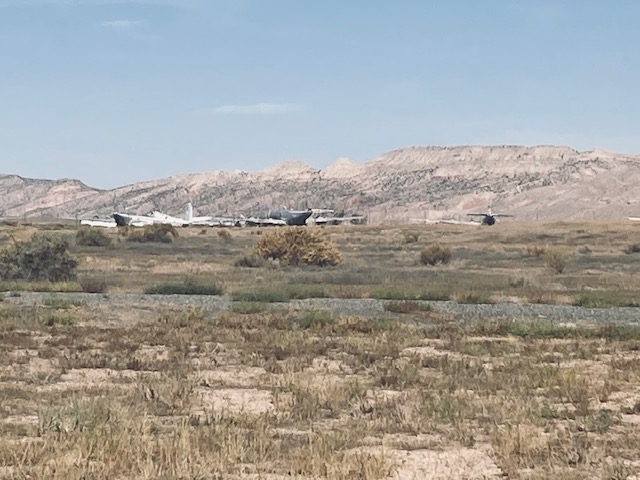
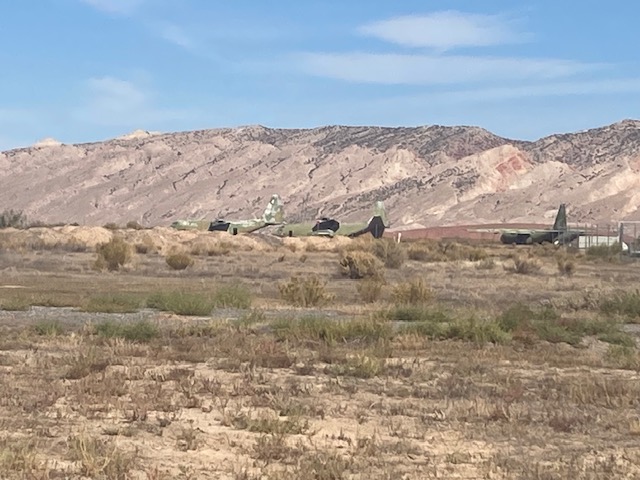
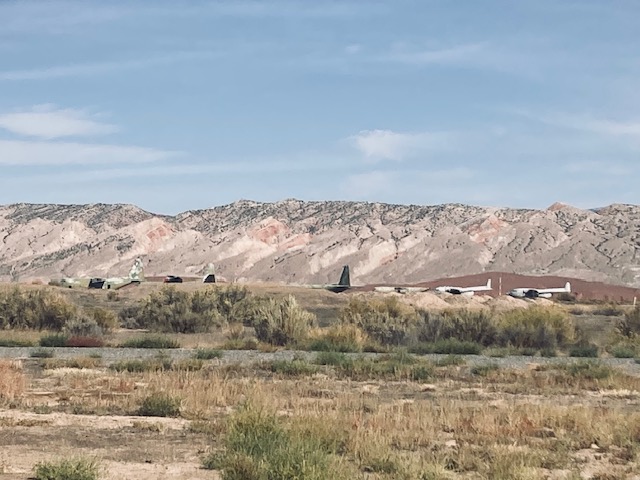
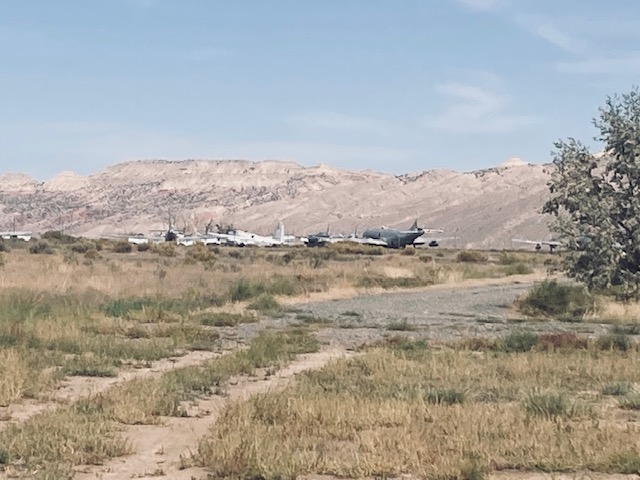
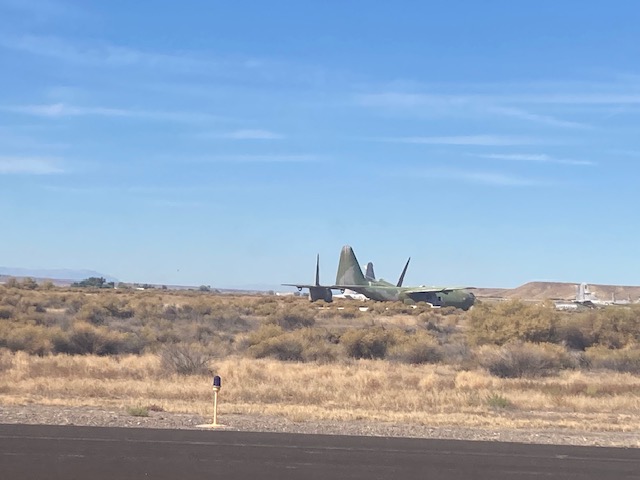
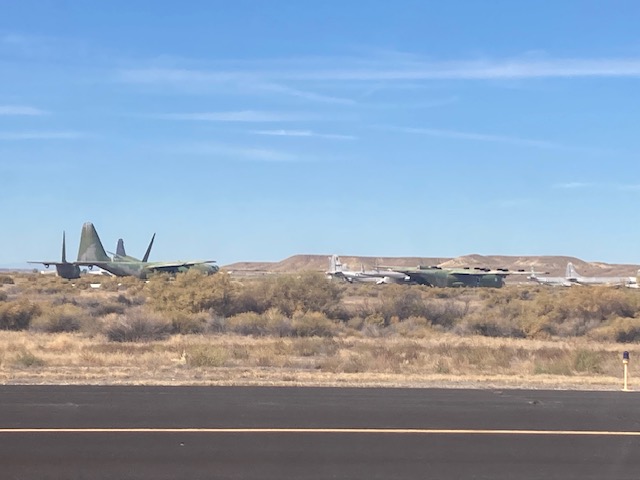
Coming in for a landing at South Big Horn County Airport, you get your first hint that this isn’t an ordinary small-town airstrip. Scattered across the sagebrush flats below are the silhouettes of dozens of vintage aircraft — some parked in neat rows, others slumped and sun-bleached where they’ve sat for decades. This is Greybull, Wyoming’s legendary aviation “boneyard,” and it’s the backdrop for one of the most unusual little museums in the American West.
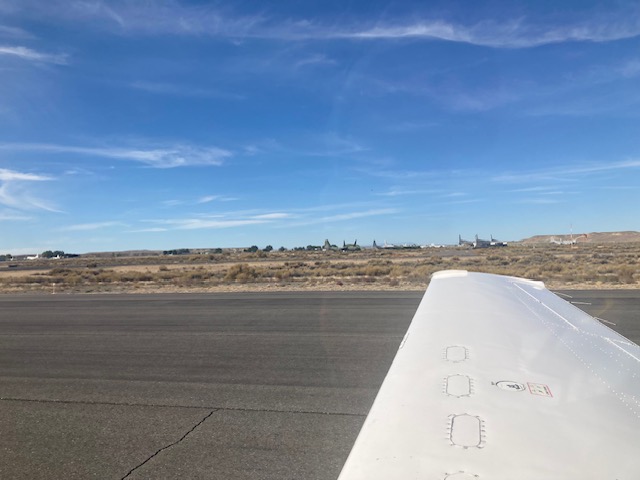
A Town Built Around Firefighting from the Sky
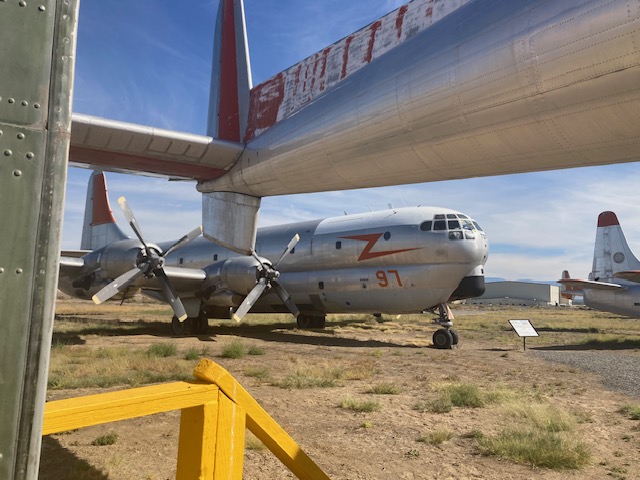
The story starts with Hawkins and Powers Aviation, founded at this airport in 1969. What began as an aerial firefighting outfit grew into one of the biggest operators of converted military surplus aircraft in the country — World War II-era bombers and transports repurposed to drop fire retardant on forest fires across the West. For decades, Greybull was a genuine hub of aerial firefighting, and the airport filled up with an eclectic fleet of P2Vs, C-119s, C-97s, and more.
That era came to an abrupt end in 2002, when a PB4Y-2 airtanker broke apart mid-drop while fighting the Big Elk fire in Colorado, following a C-130 crash just weeks earlier. The back-to-back accidents led the U.S. Forest Service to ground the aging military tankers for good, and Hawkins and Powers shut down not long after. What remained was the fleet itself — dozens of aircraft with nowhere left to fly.
Rather than let the planes go to scrap, some of them were towed to the edge of the airport, and in the early 1990s a small museum began to take shape. The Museum of Flight and Aerial Firefighting officially opened its doors, preserving a handful of these aircraft up close while the rest of the fleet remained parked out in the boneyard, visible from the road and from the air.
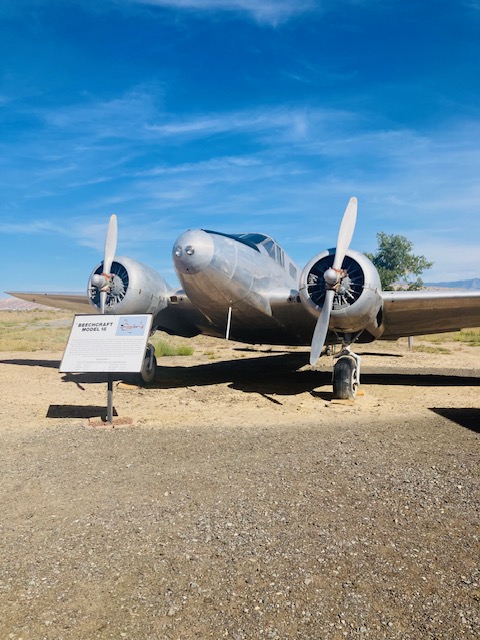
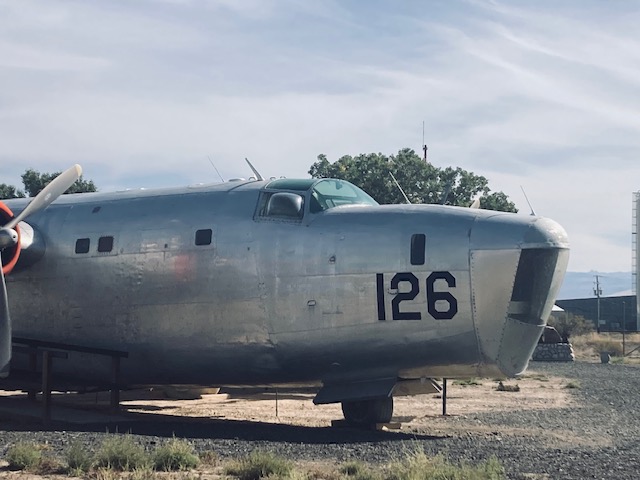
Up Close with the Aircraft
Walking the museum grounds feels a bit like wandering through a graveyard of giants — in the best way. Each aircraft carries decades of weather, paint, and history.
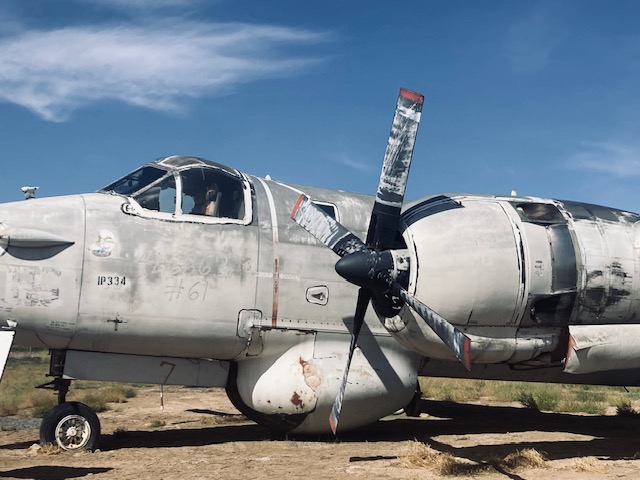
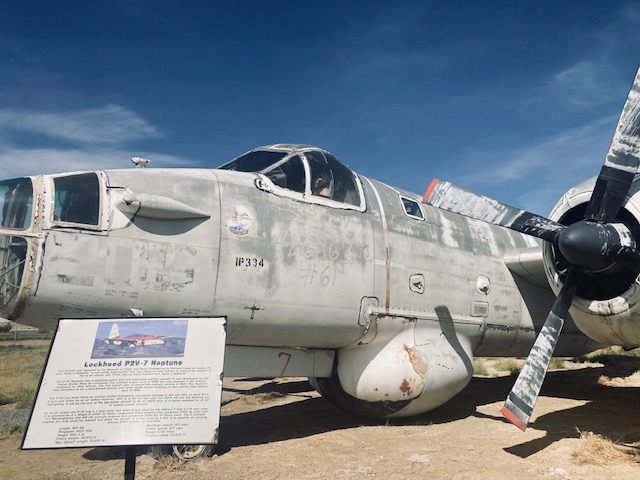
The Lockheed P2V-7 Neptune is one of the standouts. Originally built as a Navy patrol bomber, the Neptune later found a second career as an airtanker — its long fuselage and hefty payload capacity made it well suited to hauling retardant. Up close, you can see the scars of its working life: peeling paint, hand-scrawled maintenance notes, and the kind of honest wear that no restoration shop touch-up could fake.
Not every aircraft here was a heavy hauler. The Aero Commander 500, marked up with “AIR ATTACK” lettering, represents the smaller end of the operation — these nimble twins were often used as lead planes, guiding the bigger tankers to their drop zones and scouting fire lines from the air. It’s a nice reminder that aerial firefighting was never just about the big planes; it took a whole coordinated fleet.
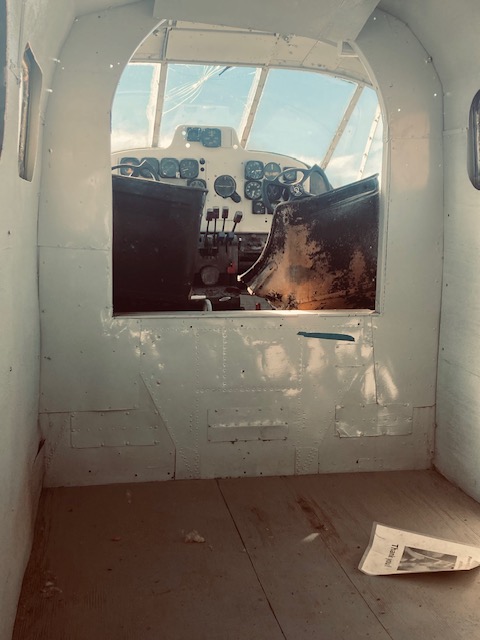
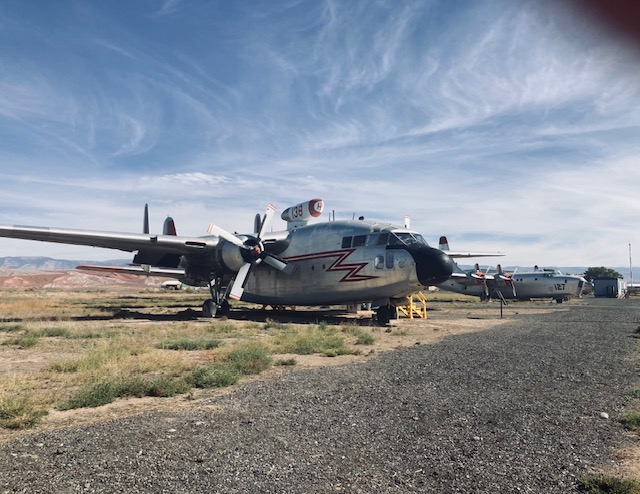
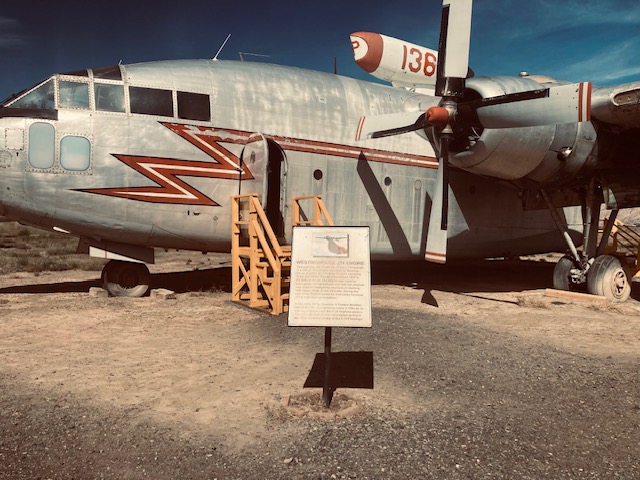
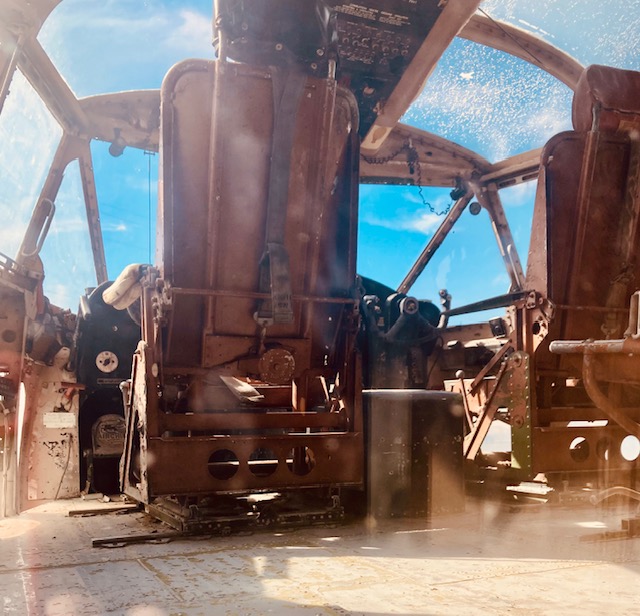
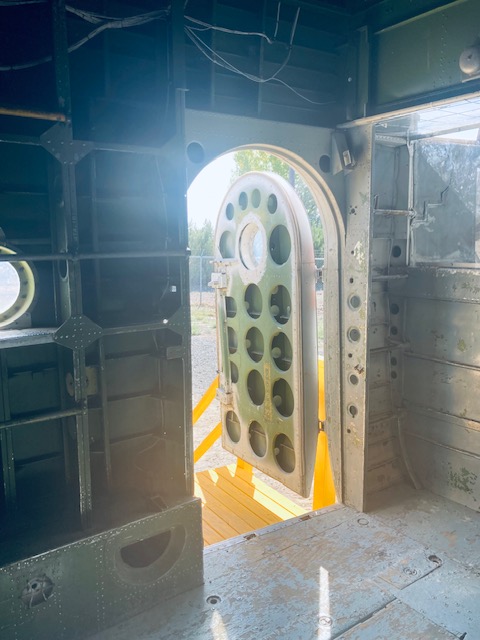
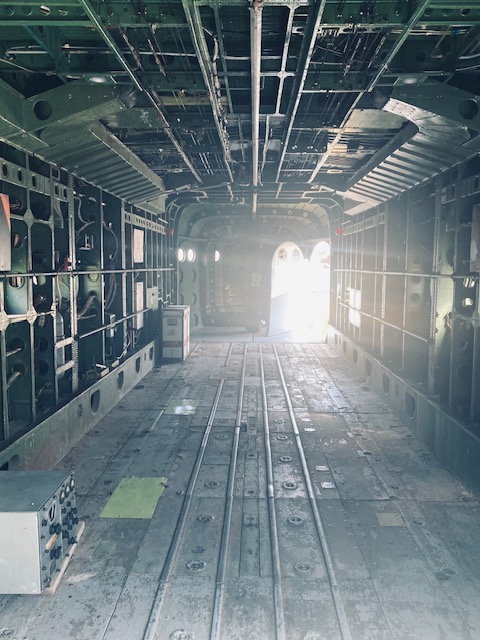
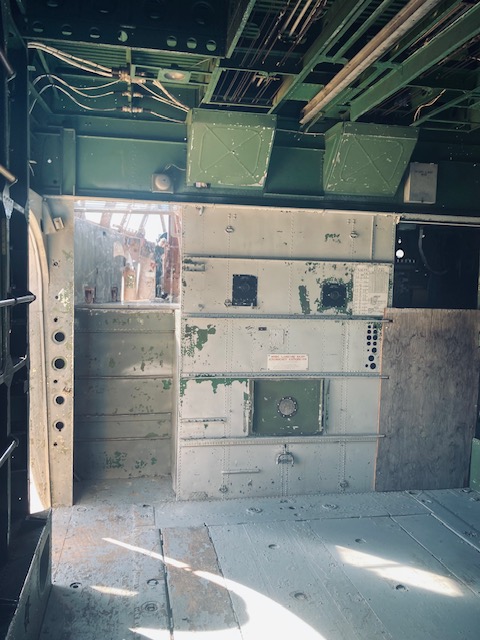
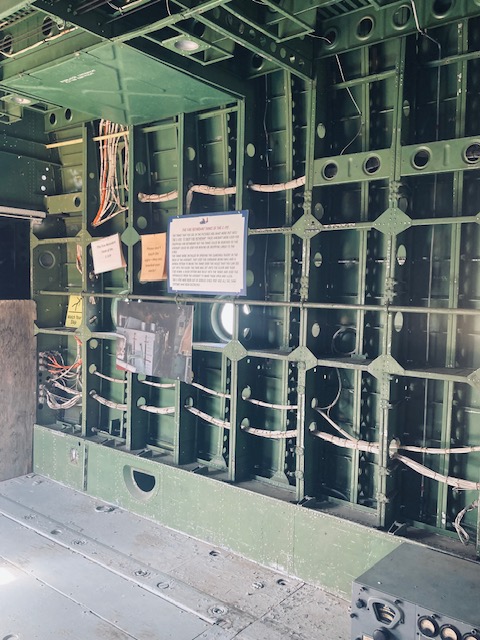
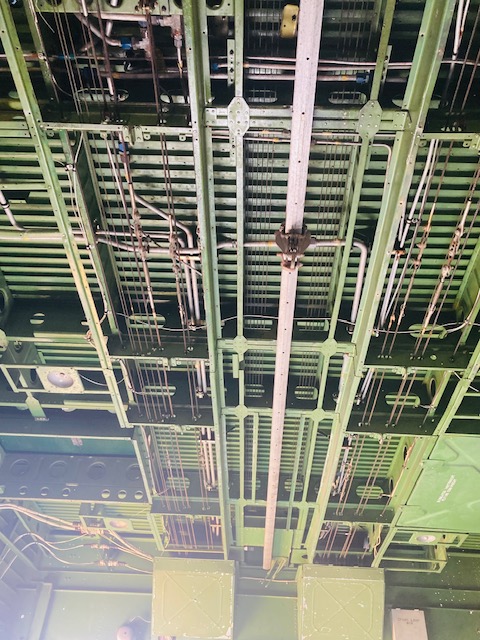
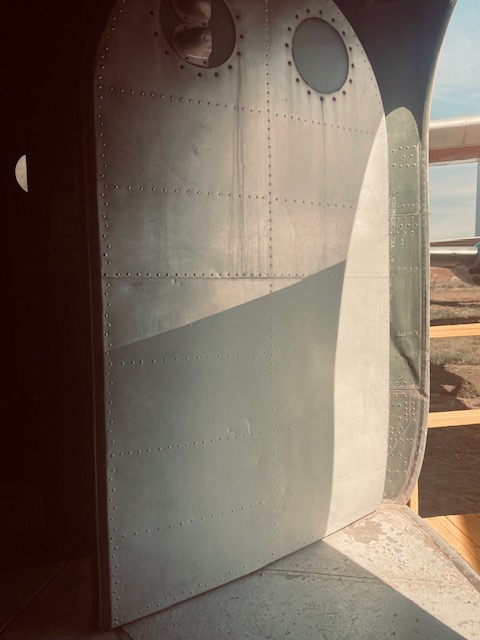
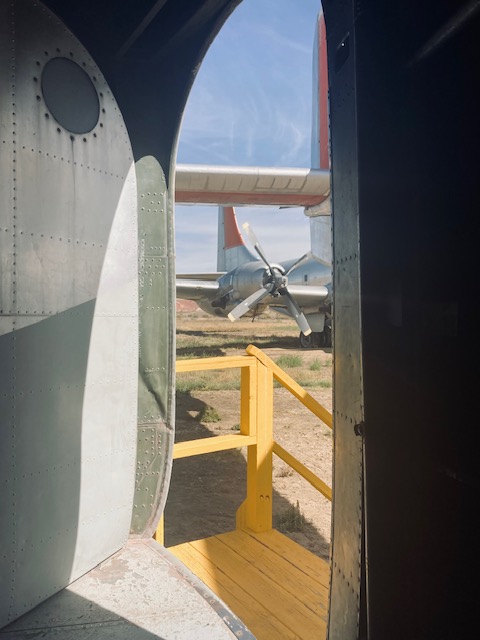
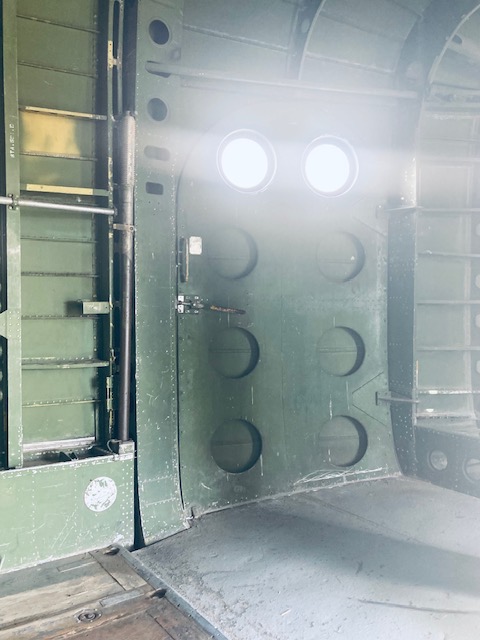
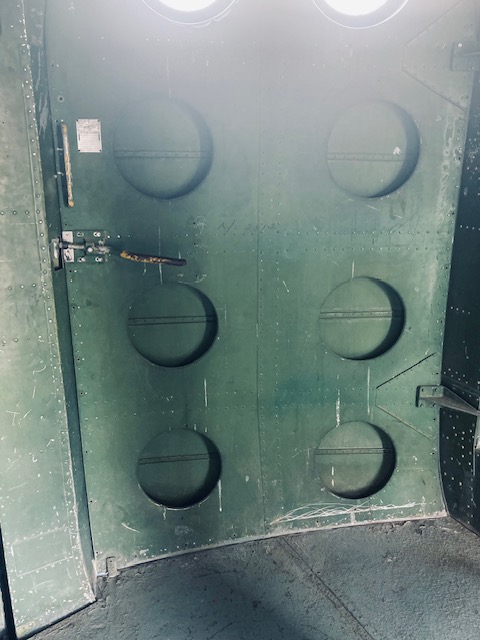
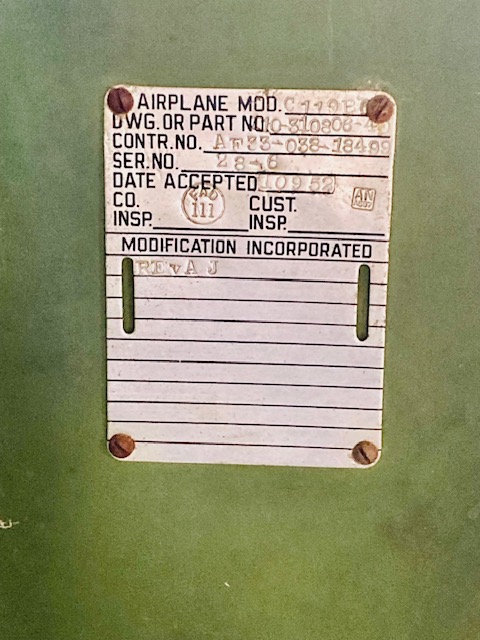
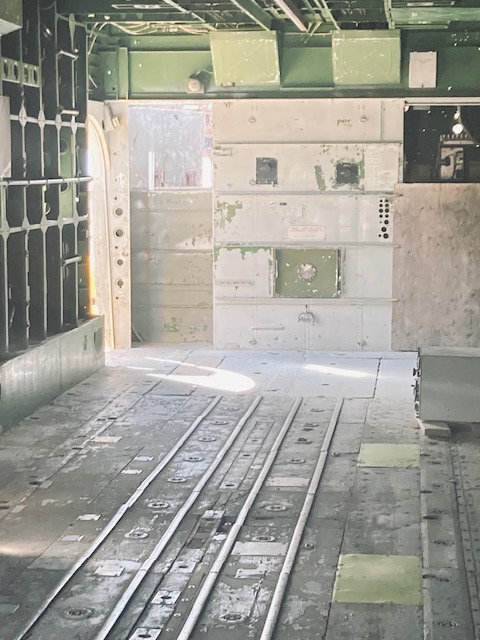
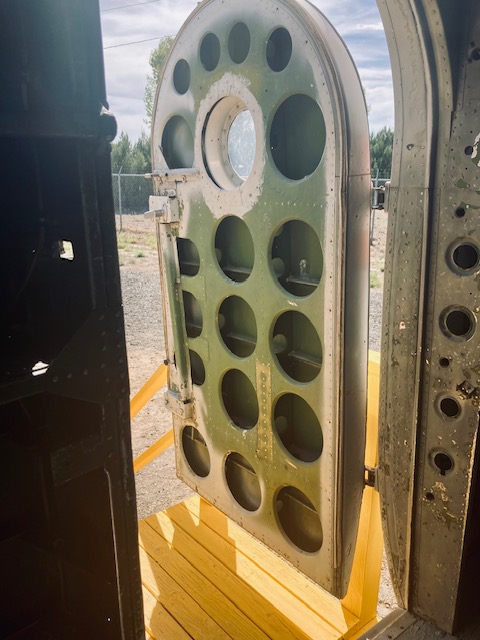
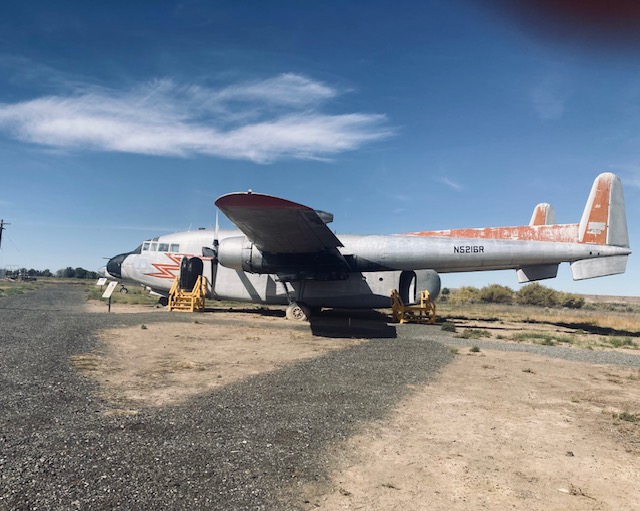
And then there’s the Fairchild C-119 “Flying Boxcar,” instantly recognizable by its twin-boom tail and the bold red lightning bolt painted down its fuselage. Originally a military cargo hauler, the C-119’s twin-boom design and rear cargo doors made it a natural fit for dropping large loads of retardant. You can actually climb the stairs and step inside this one, getting a feel for the cavernous cargo hold that once carried troops, jeeps, and paratroopers before it carried fire retardant.
Why It’s Worth the Detour
Greybull isn’t on the way to much of anything — it’s a small town in the Bighorn Basin, a couple hours from Yellowstone’s eastern approaches. But that remoteness is part of what makes the museum special. This isn’t a polished, climate-controlled hangar exhibit; it’s a working piece of aviation history sitting exactly where it was left, in the dry Wyoming air that has preserved it (and weathered it) for decades.
It’s worth noting that the boneyard has been shrinking. In late 2025, Big Horn County auctioned off several of the vintage airframes to private buyers — some headed for restoration, some for scrap, a few reportedly bound for an art project. The core of the boneyard and museum remain, but if you’ve been meaning to visit, sooner is better than later; these old airplanes won’t be sitting on the flight line forever.
If You Go
The museum sits just north of Greybull on Hiller Lane, right at the edge of South Big Horn County Airport. Admission is informal and the pace is unhurried — bring good walking shoes, sun protection, and a healthy curiosity about machines that once flew straight into wildfires for a living.


Leave a Reply